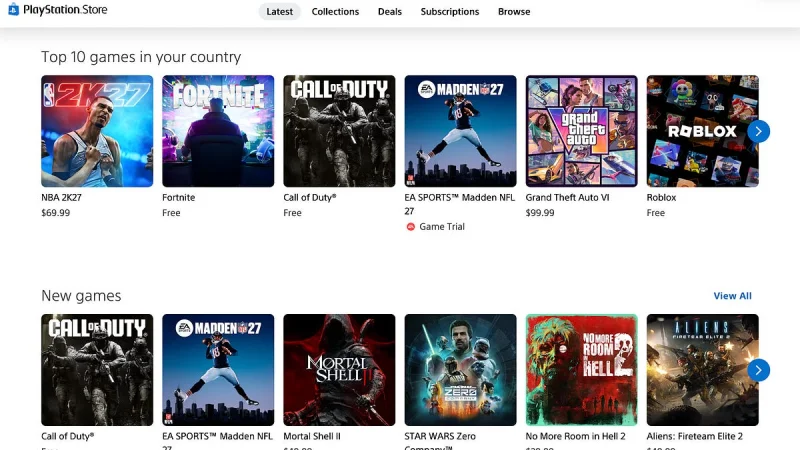
PlayStation owners moved a step closer to getting money back after a court preliminarily approved a $7.85 million settlement in Caccuri v. Sony Interactive Entertainment, a class-action lawsuit over digital game pricing on the PlayStation Store.
The case has become a live search because the next deadline is already set: the final approval hearing is scheduled for October 15. That hearing will decide how the money is distributed, lock in the final sum and determine attorney fees, making this the point at which the settlement either becomes real for users or still remains only a proposal.
For eligible PlayStation users, the money is not meant to arrive as a one-size-fits-all check. Under the settlement structure, funds will be deposited into eligible users’ PSN accounts later, while users with deactivated PSN accounts can request a cash payment by sending qualifying purchase history to PSNDigitalGamesSettlement.com. Eligibility is limited to United States citizens who bought a game from the listed titles between April 1, 2019 and December 31, 2023.

That matters because the lawsuit alleged Sony violated anti-trust laws by forcing consumers to pay more for certain digital games than they otherwise would have paid on the PlayStation Store. It also said Sony removed digital vouchers for games from third-party retailers like Amazon or key resellers, narrowing the ways people could buy them. Sony denied any wrongdoing and pushed back on the claim that members were damaged by its actions.
The separate legal fight around digital ownership adds another layer to the dispute. In that case, PlayStation admitted that players do not own their digital games; they buy a license instead. That distinction helps explain why the pricing case has drawn attention beyond one settlement: it goes to what a digital purchase actually means on PlayStation and how much control Sony keeps after the sale.
What happens next is straightforward, even if the money is not. If the court gives final approval on October 15, the settlement can move from paperwork to payouts. If it does not, the amount, the distribution and the timing all stay in limbo, and eligible users keep waiting for a decision that could finally put a number on years of complaints about how PlayStation digital games were sold.