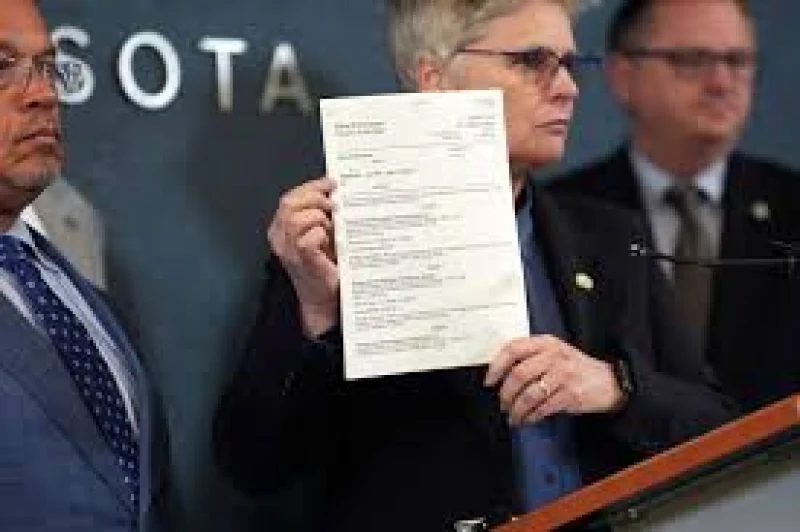
A federal judge in Brownsville said Tuesday he was leaning toward not stopping the release of Christian Castro, the ICE agent Minnesota wants extradited, even as the clock runs toward a Thursday deadline that could force Texas to let him go. Fernando Rodriguez Jr. said he would issue an order on Wednesday.
The hearing put Castro's immediate future on a short fuse. He remains detained in Brownsville while Minnesota seeks to bring him back for prosecution, and Texas law says he must be released after 90 days in custody. That period was set to expire on Thursday, making the judge's ruling the next step that could determine whether Castro walks free or stays held while the extradition dispute continues.
Castro is accused in Minnesota of firing a gun through the front door of a home in Minneapolis on January 14, wounding Julio Cesar Sosa-Celis in the leg. Prosecutors say a bullet from the shooting stayed embedded in a child's bedroom wall, and they also say Castro falsely accused Sosa-Celis and another man of attacking an ICE agent with a broom handle and a snow shovel. Sosa-Celis was 24 years old when authorities said he was hit.

At Tuesday afternoon's federal hearing, Minnesota's attorney general office argued it would be difficult to make Castro face charges if he is released and harder still if he flees. That is the practical reason the case has moved from a criminal accusation into a fight over custody: Minnesota is trying to force extradition, while Castro's detention in Texas is running out before that fight is settled.
The obstacle is not only timing. Lawyers for Greg Abbott's office said Abbott had not officially decided whether to accept or reject Minnesota's extradition request, and Abbott had ordered a state internal investigation to determine whether Castro should legally be treated as a fugitive. Trevor W. Ezell also questioned whether the court could set a deadline for Abbott to answer. The state's position is that the request is premature, while Minnesota is asking the court to stop Cameron County's sheriff from releasing Castro before extradition.
That is why Rodriguez Jr.'s Wednesday order matters more than the usual paperwork in an extradition case. If he declines to block the release, Castro could leave custody when the 90-day period expires. If he intervenes, the court would be using emergency relief to hold a man Texas says it must otherwise release, even as the deeper dispute over whether Minnesota can compel his return remains unresolved.
Abbott said last week that he would not respond to the extradition request because of ongoing investigations into fraud in Minnesota government social service programs. For now, the case turns on whether Rodriguez Jr. sees enough legal reason to keep Castro in Brownsville past Thursday, or whether the state's deadline controls.