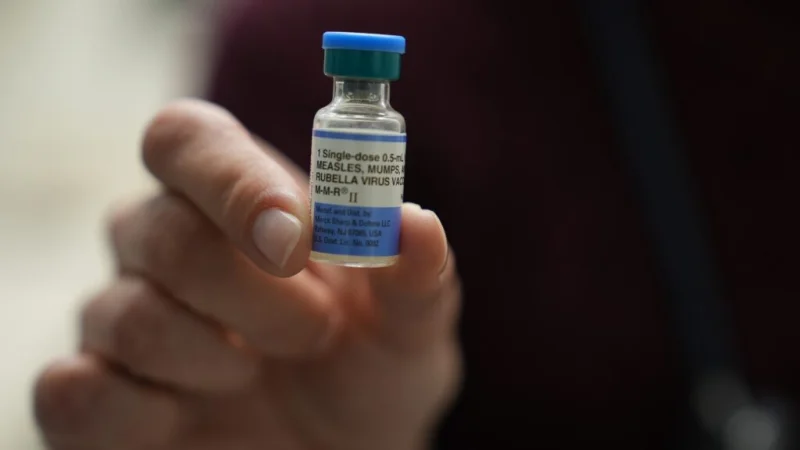
Two unvaccinated Pennsylvania residents have died from measles, and state health officials said the deaths were the first measles-related deaths in the U.S. this year.
The loss lands in a state that has already counted nearly 400 measles cases this year, a number that shows the virus is not just circulating but finding enough unprotected people to keep spreading. Debra Bogen responded with sympathy for the families, saying her deepest condolences were with loved ones facing an unimaginable loss.
Bogen also said the deaths should not be mistaken for a rare, harmless outcome. Because measles had been largely eliminated in the Commonwealth for more than three decades, she said, many people no longer know the disease well enough to understand how severe it can become. The U.S. eliminated local measles spread in 2000, which made these deaths a jarring marker of how quickly that reality can be tested again.
Officials said the people who died lived in Lancaster County west of Philadelphia, but they gave no other details. That silence leaves the public with a grim outline and no personal facts beyond the disease itself. It also sits uneasily beside the county’s vaccination picture: about 88% of kindergartners there were up to date on measles vaccines during the last school year, a level that still leaves room for outbreaks when the virus reaches the unvaccinated.
The broader numbers help explain why this matters now. The Centers for Disease Control and Prevention said the U.S. had 2,777 measles cases as of Thursday, well above the 2,289 cases logged in 2025 and a reminder that this year has already been unusually hard. International health officials are scheduled to meet in November to decide whether the U.S. and Mexico have lost their measles-free status, and the two Pennsylvania deaths will hang over that review as proof that elimination on paper does not mean the danger has vanished.