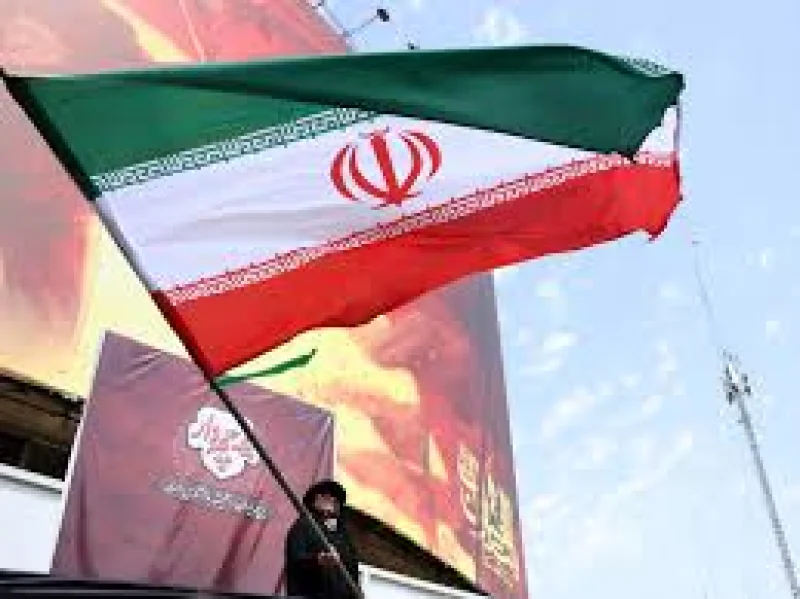
Iranian President Masoud Pezeshkian said the United States and Iran are still far apart after a June memorandum’s 60-day deadline expired last week, leaving the promised path toward an accord on Iran’s nuclear program unresolved. He said Tehran did not intend to back down in the face of its adversaries.
Pezeshkian took questions from the media during a news conference in New York on Sept. 26, 2025, giving the dispute a public stage just days after the deadline passed. The timing matters because the June Memorandum of Understanding had set a fixed clock on ending the war with Iran and reaching a deal, and that clock has now run out with no breakthrough to show for it.

He linked the agreement directly to Iran’s economic prospects, saying the country could not attract investment in this stalled phase. That is the practical cost of the deadlock: without movement on the nuclear file and without a way to ease the strain over the Strait of Hormuz, the talks remain stuck in a narrow gap that neither side has closed.
The problem is not a missing date or a lack of stated goals. It is the distance between the two sides on the terms that would reopen the Strait of Hormuz, and there are no signs yet that either side is prepared to give ground. The June deadline was meant to force momentum; instead, it has underscored how little compromise is available.
For Pezeshkian, that leaves Iran in the stalled phase he described, with investment blocked and the diplomatic track still hanging on whether Washington and Tehran can turn a missed deadline into a new basis for talks. Until that happens, the agreement’s real significance is not what it promised in June, but what its expiration has now made plain.