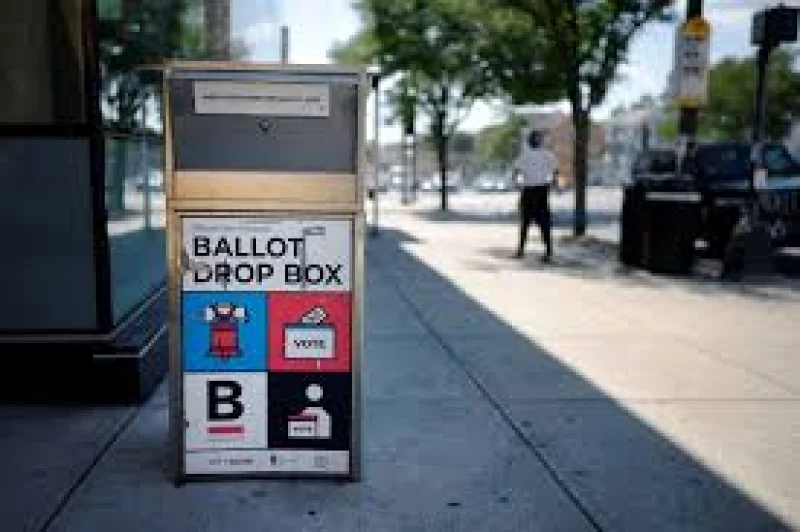
The US Postal Service prepared late Friday to publish a final rule that would tighten mail ballot delivery before the November midterm congressional elections, even though two federal court injunctions are still blocking the changes in California and Massachusetts. If the orders are lifted, the service says it is ready to move immediately.
The timing matters because mail-in and absentee ballots covered by the rule are generally mailed in September or later under state law, and the Postal Service says any delay would eat into the window election officials have to adjust. Trump signed the March executive order that set this process in motion, and the rule is meant to carry it out by requiring states to provide voter information before the Postal Service will deliver ballots.
That requirement goes well beyond a paper-shuffling exercise. Under the proposal, states would have to give the US Department of Homeland Security and other agencies access to lists of voters, and they would also have to adopt new balloting procedures before the mail agency would make deliveries. The Postal Service proposal also seeks the names and barcodes tied to mail-in ballots for federal elections, which would feed the Federal Ballot Mail Portal and the verification process built around it.
The service says the Portal will become active when the system of records covering it is published, and that implementation right after any court relief would give election officials as much time as possible to meet the rule's preparation standards before ballots go out. The federal government has already sued 30 states and Washington DC for refusing to hand over lists of eligible voters, a sign that the fight over who controls the mailing process is still far from settled.
Trump is not a distant figure in that fight. He voted by mail in Florida's Republican primary this year, at least the third time he has mailed in his ballot, even as his own March order forbids the Postal Service from delivering ballots to anyone not on a federal list of citizens deemed eligible to vote in each state by the Department of Homeland Security. The Postal Service said it received more than 200,000 responses during the public comment period, but the injunctions mean the rule cannot bite until the courts say otherwise. If that happens soon, the practical question is not whether the Postal Service has a plan; it is how many states can redesign their mail ballot systems before the next round of ballots starts going out.