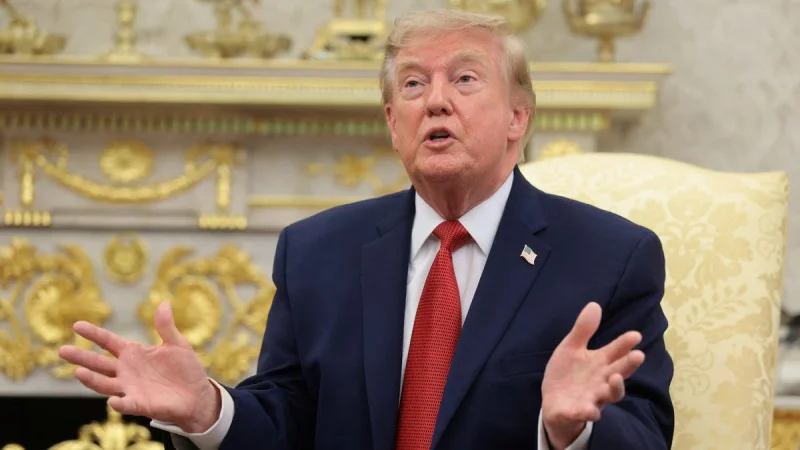
Donald Trump said on Aug. 19 that an “ECONOMIC D-DAY” is coming for any country that keeps giving Iran a lifeline, laying out a fresh round of pressure that could hit oil purchases, cash transfers, swap lines, ship registries, airports and financial institutions. He said, “It all needs to stop NOW. You know who you are,” and added that allies should stand with the United States of America to isolate and defeat what he called the Iran threat.
The warning matters now because the Trump administration said dramatic new measures against Iran could be unveiled as soon as this week, and Scott Bessent signaled the Treasury was already moving in that direction. On Aug. 13, Bessent told Newsmax, “We went from Epic Fury to Economic Fury,” then added that at the president’s orders, “we have raised the level even again.”
That puts the focus squarely on money, shipping and access, not bombs. The U.S. has halted its bombing campaign and turned to financially weakening Iran, a shift that has unfolded over nearly six months and has left no active track of talks between the two sides. Trump said on Aug. 18 that “There are no talks or conversations going on, or scheduled, with the Islamic Republic of Iran,” while Iran also said no peace talks were taking place.

The friction is that the language of control and access has not settled anything. In a Truth Social post, Trump said the Naval Blockade remains in full force and effect and declared that “The Hormuz Strait is open and operating,” even as the broader dispute over the Strait of Hormuz continues to shape the fight over trade routes, pressure points and who gets to move oil without interference. Earlier on Aug. 19, the United Arab Emirates said it was suspending trade and financial transactions with Iran, and oil prices ticked up after the announcement and Trump’s post.
What comes next is the part markets, banks and governments will be watching: the administration says more measures are coming, but it has not yet said which sanctions or enforcement steps it will unveil. Trump has already drawn the target list in public, and if the White House follows through this week, the next phase will test how far the United States is willing to go in choking off Iran-related business and how many countries are prepared to stay exposed.