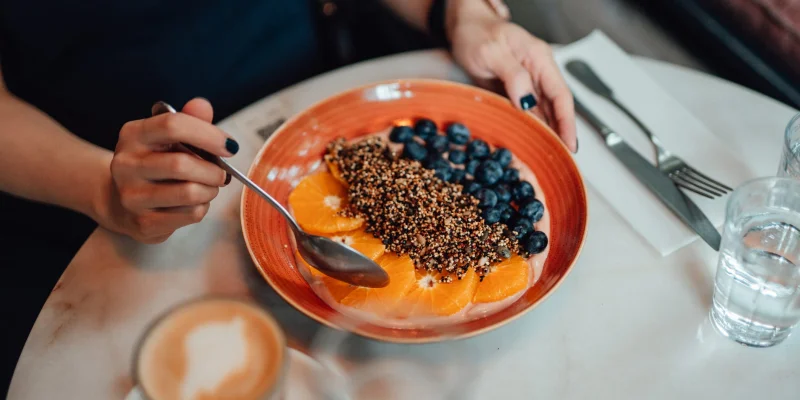
Experts are pointing readers back to the MIND diet as a practical route to better brain health, and the interest is not just theoretical. The eating pattern, which combines the Mediterranean diet and the DASH diet, has been linked in research to lower cognitive decline and a lower risk of dementia.
Jackie Bridson singled out fatty fish, leafy greens, berries, walnuts and olive oil as parts of that pattern that have been tied to better brain health and function. Dale E. Bredesen put it more directly, saying the foods people eat have a major impact on brain health.
The timing matters because the evidence has been building in recent years. Research published in 2024 found that people with the greatest adherence to the MIND diet had a 4% reduced risk of cognitive impairment compared with those with the lowest adherence. A separate study published in 2025 found that people who improved their adherence over a 10-year period had a 25% lower risk of dementia than those whose adherence declined over time.

The MIND diet stands for Mediterranean-DASH Intervention for Neurodegenerative Delay, and it is often described as a blend of two familiar eating patterns. But experts say it is the overall pattern that counts more than any one ingredient. Jordan Weiss said there is no food that works in isolation for brain health, even as the research keeps showing the MIND diet as the most studied pattern for the brain.
That does not mean the individual foods are interchangeable. Bredesen recommends foods high in folate, including leafy greens, broccoli and Brussels sprouts, because they help reduce homocysteine levels. Nicole M. Avena said coffee and green tea contain caffeine that has been shown to improve cognitive function by helping to solidify memories, and that tea and coffee can also give short-term memory boosts. The FDA says up to 400 mg of caffeine per day is safe, which is about the amount in two grande Americanos at Starbucks.
Other foods also get a mention for their possible brain-health value. Poultry such as chicken or turkey provides lean protein, choline and iron, all of which support cognitive function, while citrus and citrus juice are full of flavanone compounds with antioxidant properties. The bigger message is not that one food can protect the brain on its own, but that a steady pattern built around healthy food may matter over time. The question left open is how much of the benefit comes from the overall diet and how much from the parts inside it.