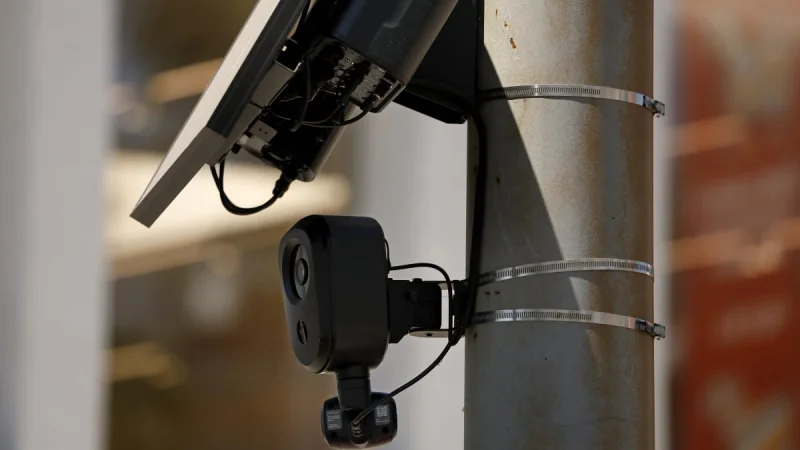
A new website called Have I Been Flocked? is letting drivers check whether their license plate appears in publicly released search records from Flock Safety’s system. The tool turns scattered audit logs into a searchable database, giving people a way to look up plates that were queried by Flock users.
As of Aug. 17, the site said it had compiled nearly 242 million searches involving more than 4.6 million plates. That scale is why the project is already drawing attention: a single plate can surface more than once, and the database can show when it was searched, which agency was associated with the query, who entered it and the reason given for the lookup.
The project sits inside Footnote4a, an independent editorial effort focused on mass surveillance and government contracts. Its database is built from Flock audit logs released by local governments through transparency portals or obtained through public records requests, which means it is only as complete as those records and the material the site has been able to gather so far.

The site’s FAQ also makes clear that a match is narrower than it may look. The plate and stated reason shown in results were manually entered by a Flock operator, and a hit means only that a Flock user queried the company’s system for that plate. It does not necessarily mean the car was stopped, suspected of a crime or formally investigated, and the person doing the search may have been a police officer, but not every Flock user is in law enforcement.
That matters because Flock’s technology is also used by businesses, schools, homeowners associations and other private organizations. In some cases, the results may be incomplete or redacted, and the website does not show whether a search produced a match inside Flock’s system or reveal exactly what the operator saw.
The launch lands as scrutiny of Flock’s surveillance network keeps building. A recent Washington Post investigation found that at least 50 law enforcement officers had been charged with or accused of misusing license plate readers, while public records reviewed by 404 Media documented more than 4,000 Flock searches conducted by local and state police at the request of federal officials, as informal favors or for potentially immigration-related purposes. Flock says ICE cannot directly access its system, but local agencies can search the network on the federal government’s behalf.
For anyone checking a plate on HaveIBeenFlocked.com, the result is best read as a record of a query, not proof of wrongdoing. The database is still incomplete, which leaves the most important question open: how much of Flock’s wider audit trail has yet to be made public.