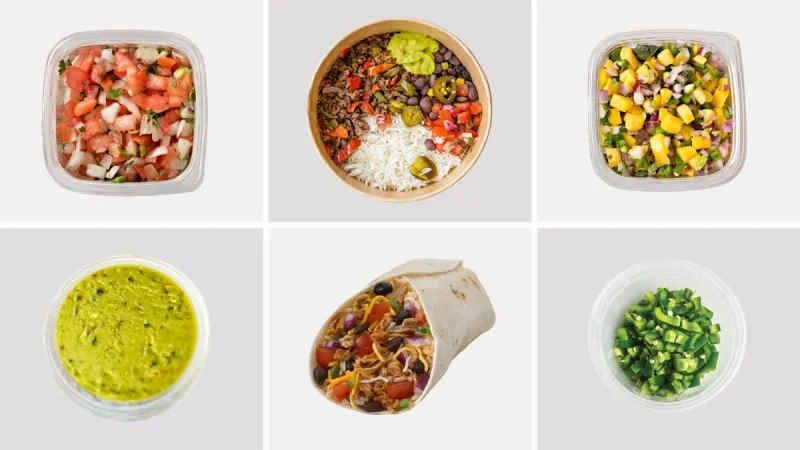
A Salmonella-linked recall of jalapeño-containing foods widened after 345 confirmed illnesses and 36 hospitalizations, putting products sold at Hannaford, Kroger, Stop and Shop, Target, Trader Joe's, Walmart and Whole Foods under scrutiny. Taylor Fresh Foods, which operates as Taylor Farms, said the affected jalapeños were grown in Sinaloa, Mexico and moved through Coast Citrus Distributors before reaching retailers in 27 states.
The recall matters now because shoppers are being asked to sort through products from several chains at once, each with its own UPC code and best-if-used-by date. At Hannaford, Diced Jalapeños were sold in Maine and New York with UPC 030223082712 and dates from 8/7/2026 to 8/14/2026, while Rice and Bean Burrito carried UPC 030223082736 in Massachusetts, Maine, New Hampshire, New York and Vermont with dates from 8/7/2026 to 8/11/2026. Kroger listed Private Selection Spicy Roast Beef Sandwich PS, Spicy Jarlsberg Dip and Spicy Pimento Cheese Dip across several Southern and Midwest states, and Stop and Shop and Hannaford carried Pico de Gallo Salsa in Massachusetts, Maine and New York.
The wider recall also reached Target stores in Florida, Ohio and Texas with Taylor Farms and Unbranded Taco Dip, Taylor Farms and Unbranded Mango Pico de Gallo, Taylor Farms and Unbranded Spicy Guacamole, Taylor Farms Pico de Gallo and Taylor Farms Authentic Guacamole, all tied to specific UPCs and August date ranges. Trader Joe's Fiesta Style Salad Shrimp was also listed for Texas with UPC 000000818377. The FDA said there was no ongoing risk from Chipotle and Qdoba after those restaurants removed the affected product, but the broader recall kept expanding into packaged foods sold by grocery chains, which is why the same jalapeño problem now reaches far beyond the original restaurant report.
That leaves consumers with a simple but tedious task: match the product name, UPC and best-if-used-by date before eating anything that may still be at home. The fact that the recalled jalapeños were distributed in 27 states means the risk was not confined to one region, even though the listed products now tell shoppers exactly where the contaminated ingredient traveled. For anyone scanning store shelves or refrigerator doors, the safest assumption is that any item on the list should be treated as recalled until proven otherwise.
The recall has become less about one restaurant and more about how a single contaminated ingredient can move through a supply chain and appear under different labels, in different stores, days apart. What remains unanswered is not whether the list is real, but how many more packages are still sitting in kitchens waiting to be checked.