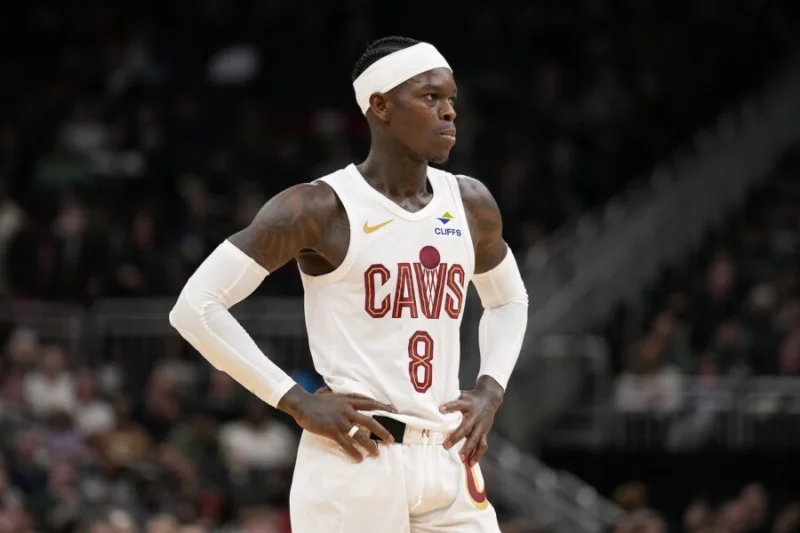
Peyton Watson is still negotiating with the Denver Nuggets, and three teams remain watching for a chance to pull him into a sign-and-trade. The 23-year-old restricted free-agent wing is weighing Denver’s four-year, $70 million offer with a team option in the fourth season against the one-year, $6.5 million qualifying offer that would keep his rights in the Nuggets’ hands.
That gives Watson real leverage, but it also leaves Denver with a familiar kind of summer stalemate. The Cleveland Cavaliers, Milwaukee Bucks and LA Clippers are still in the hunt, which means Watson can still try to force a better landing spot if the numbers and role do not line up in Denver.
For the Nuggets, the value of keeping Watson is obvious. He is a young wing on a team that just matched Oklahoma City’s offer sheet to Spencer Jones, a two-year deal worth $11.75 million, and Denver remains the league’s only second-apron team. John Hollinger has put the club’s tax bill at approximately $70 million, a figure that explains why every roster move now carries more than one cost.
That is the pressure point underneath the talks. Denver can show support by keeping its payroll intact, but the current collective bargaining agreement also makes roster-building harder once a team is sitting above the second apron. The Nuggets do not have the freedom to move around the board the way lower-spending teams can, so even a deal that looks clean in July can create problems by the trade deadline if the balance of the roster still needs work.
Watson’s situation matters because it is one of the few live contract stories left on the board. No salary-cap-space team is waiting to hand him an offer sheet, so the choices narrow quickly: accept Denver’s offer, take the qualifying offer, hold out while the Nuggets retain his rights, or work toward a sign-and-trade if one of the interested teams can make the framework fit.
That same long view is part of why Denver’s biggest decisions are rarely just about one player. Nikola Jokić said in early July that his idea was to sign next summer and stay with Denver for the rest of his career, and he still has a player option worth $62.8 million for next season. The Nuggets had a chance to lock him in through the 2030-31 season this summer, but they did not get that extension done, leaving the franchise’s future tied to a core that still has to be managed carefully around the tax line.
Watson is not asking for a headline so much as a clear answer on money and minutes. If Denver can bridge that gap, the sign-and-trade market fades. If it cannot, the Nuggets may have to choose between a larger bill now and a harder roster decision later, with Watson still holding the one piece of leverage that matters most: the right to wait.