


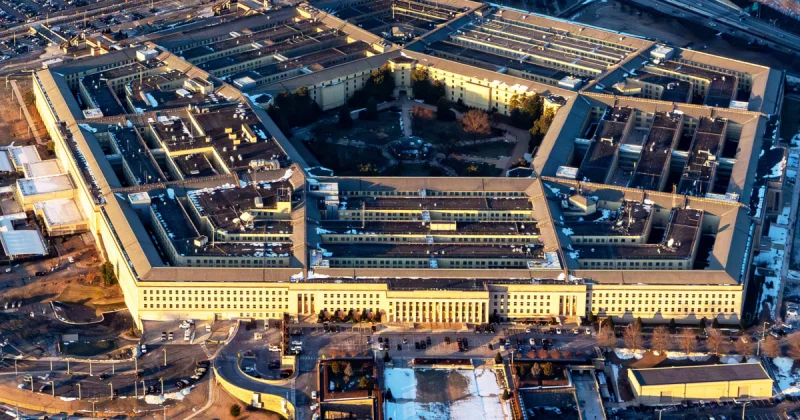
The US Department of Defense is drafting a new nuclear strategy that would give the president more options for using shorter-range tactical weapons in a regional war with China or Russia. The emerging framework would revise the retaliatory nuclear choices shown during a crisis and is built around denying an adversary any advantage if a conventional fight starts to spiral toward nuclear use.
The plans were described to NBC by five people familiar with the matter and reported on August 5, as Elbridge Colby, the deputy secretary of defense for policy, oversaw the effort. Colby favors a larger role for tactical nuclear weapons, and he was scheduled to present his proposals on Wednesday at a closed military event in Nebraska during a visit to US Strategic Command.
That shift matters now because the Pentagon is no longer talking only about abstract deterrence. It is adjusting the set of choices that would be available if a crisis with China or Russia turned dangerous, and it is doing so while the last strategic arms control treaty between Washington and Moscow has already lapsed in February 2026. Trump and the Pentagon have also said the US must be able to face two nuclear rivals at once.

Supporters of the review say a stronger tactical option could help keep a regional war from widening. But specialists warn that giving shorter-range nuclear weapons a bigger role can cut the other way, because it may make the threat of a large-scale nuclear strike sound less believable. A congressional source said it was hard to imagine an approach that more sharply contradicted Trump's stated wish that the US should make its nuclear deterrence system great again.
The pull between those two ideas is now at the center of the debate. Poland and the Baltic states have signaled interest in hosting US nuclear weapons, and earlier decisions to cancel planned deployments and redirect military assets toward Asia unsettled European capitals. The Pentagon's own watchlist names 130 organizations and institutions across China, Russia and Iran as threats to US national security, underscoring how broad the reassessment has become.
What Colby puts on the table at Nebraska will show how far the US wants to move from relying mainly on long-range strategic systems toward a posture that treats tactical nuclear weapons as a more usable part of crisis planning. If his proposals gain traction, the question will not be whether the strategy changes in fine print, but whether Washington is prepared to say that nuclear weapons could be thought about sooner in a regional war.
