


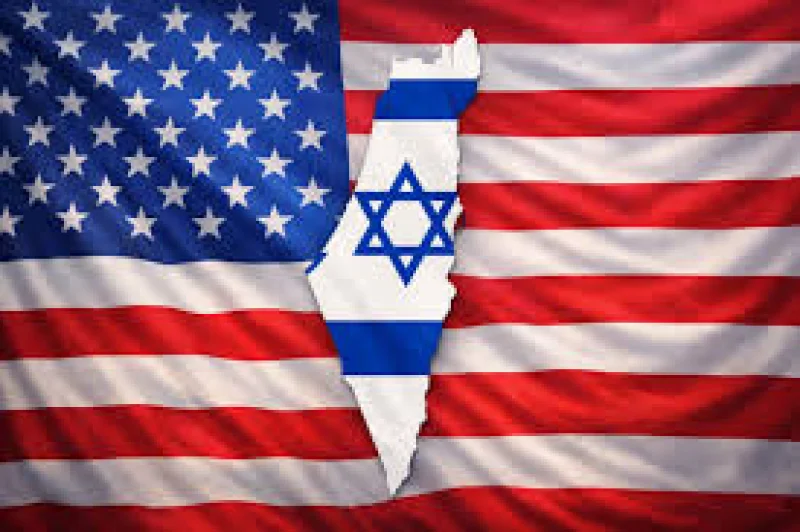
Harry Truman was warned not to recognize a Jewish state in Palestine. He agreed with George C Marshall in the room. Then, within two days of the May 12, 1948 meeting, he ordered the United States to recognize Israel anyway.
That decision still carries weight because it came at the intersection of war, election-year politics and intense pressure from Zionist lobbyists. Truman was deeply moved by the suffering of Jewish survivors of the Nazi Final Solution, but he was also irritated and at times furious with the campaigners pressing him to act, including the World Zionist Organization and other Jewish delegations, friends and politicians. He could not ignore them, and he could not ignore the warnings from his own foreign policy team either.
Marshall, then the nation’s top military officer in the second world war and later the architect of the Marshall plan, led the officials urging restraint. He and the rest of Truman’s foreign policy and national security advisers unanimously said a Jewish state would trigger war in the Middle East, endanger future U.S. relations with the Arab and Muslim world, and give the Soviet Union room to exploit Arab anger. Marshall also feared Middle Eastern oil supplies would be put at risk and that the United States might even need to send troops it did not have to contain the fallout.

The pressure on Truman was not abstract. It came in an election year, with Governor Thomas Dewey of New York waiting as his opponent. Truman faced demands from domestic political advisers and the Zionist lobby to support the establishment of a Jewish state in as much of Palestine as possible, while his top foreign policy advisers pushed the opposite direction. That collision left him trapped, and it helps explain why the May 12 meeting mattered so much.
Marshall’s own account makes the break in the story plain. He told Truman that recognizing the state before it had been established would be a “transparent dodge to win a few votes” and would seriously diminish the “great dignity of the office of the President.” He even said he would not personally be able to vote for Truman if the president bowed to political pressure. Truman closed the meeting by saying he agreed with Marshall. Two days later, he signed off on U.S. recognition of Israel.
That is the part of this history that still echoes. Truman’s final order was not the result of a single argument in the room, and it was not a clean victory for one side over another. It was the result of a president pulled between moral sympathy, strategic warning and domestic political force — and the fact that he moved so quickly after agreeing with Marshall is what leaves the central question alive: what changed in those two days?
