South Africa recorded no new rubella cases in its latest weekly measles and rubella situation report, leaving the cumulative total at 398 laboratory-confirmed infections between 29 December 2025 and 26 July 2026. The update for ISO week 30 of 2026, issued on 30 July, shows the count did not rise from the previous report on 22 July.
That is why the keyword matters today: the latest surveillance snapshot is not just a static tally, but the newest sign of whether transmission is still moving. Rubella spreads easily through coughs and sneezes, and while the illness is often mild, it can cause serious complications in pregnancy and lead to Congenital Rubella Syndrome in infants.
The burden in the reporting period was concentrated in children. Of the 398 cases, 313 were among children aged 1 to 14 years, equal to 78.6 percent of all laboratory-confirmed rubella cases. That leaves 85 cases outside that age band, showing the infection was not limited to one narrow group even though it was heaviest among school-age children and younger adolescents.

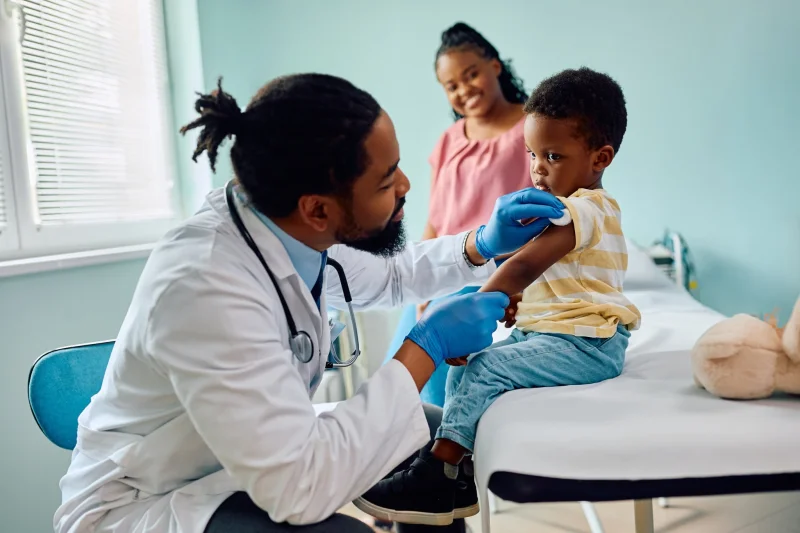
The numbers matter because they sit alongside the routine public-health response. The MR vaccine is given as part of the childhood immunisation schedule, and the weekly surveillance system is meant to catch gaps early. Measles and rubella data are updated daily and then reported weekly, so a flat rubella line in one report can reflect a brief pause in detection, delayed reporting, or a real slowing in spread; the report does not separate those possibilities.
That missing detail is the friction point. The update says no new rubella cases were recorded since 22 July, but it does not explain why the total held steady after 398 laboratory-confirmed infections were already counted through the end of the reporting period. For families and health workers, the unanswered question is not whether the virus has mattered — it clearly has — but whether the lull marks a turning point or simply a quiet week in an ongoing outbreak picture.
What happens next is familiar, and the report is direct about it: surveillance, laboratory confirmation, contact tracing, and vaccination promotion should continue. The clearest immediate task is to keep finding cases early and keep the MR vaccine in front of children who have not yet received it, because the next weekly update will show whether the plateau in rubella cases can be held or whether fresh infections begin to appear again.