


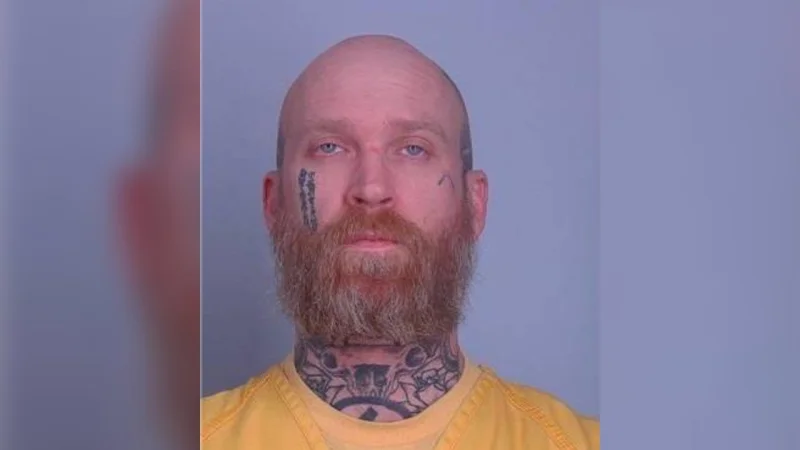
Erik Davis was driving to a medical appointment in St Paul on 16 June when federal agents surrounded his car, hauled him out and put him in a belly chain. The 53-year-old Buddhist studies scholar at Macalester College in St Paul is now accused of joining a conspiracy to impede or injure ICE officers.
The charge reaches beyond one arrest. Davis is one of 15 defendants named in a federal case that says anti-ICE activists used force, intimidation and threats to stop officers from doing their jobs. He said the case is “petty revenge” and accused investigators of trying to turn ordinary community ties into a crime. “They’re trying to portray being part of a community as an illegal conspiratorial act,” he said.
He is not a fringe figure pulled from the edges of a protest scene. Davis is a college professor and father of two, and he said he stepped in after federal agents flooded the Twin Cities in January in what he called a “federal invasion and terror campaign on our streets.” Earlier this year, thousands of Minnesotans rallied after the Trump administration launched its immigration crackdown in the Twin Cities, and civil rights advocates say the new prosecutions are aimed at weakening that kind of organizing.

That is where the case gets sharper than the language of the indictment. Prosecutors say Davis, 14 others and Direct Action Minnesota conspired to obstruct federal law enforcement and had ties to antifa, but they have not alleged any specific injuries to officers in Minnesota. The government is relying on a broad theory of conspiracy: that meetings, shared ideology and alleged plans to use force, intimidation or threats were enough to cross the line, even without naming a wounded officer or a concrete attack.
Davis said the case is meant to send a message far beyond Minnesota. “This isn’t just about us. It’s about trying to scare everybody who opposes ICE,” he said. Civil rights advocates argue that is exactly the point of the prosecution: to criminalize lawful community organizing, chill protest activity and turn the daily lives of activists upside down. That reading has grown louder this year, after a similar case in Chicago collapsed and demonstrators in Texas were convicted on terrorism charges and handed decades-long sentences.
For Davis, the immediate story is still personal: a medical appointment interrupted by federal agents, a belly chain, and a case built around conduct prosecutors have not yet tied to any specific injury in Minnesota. The larger question is whether that gap leaves the government with a conspiracy theory broad enough to punish organizing, or too thin to survive in court.
