


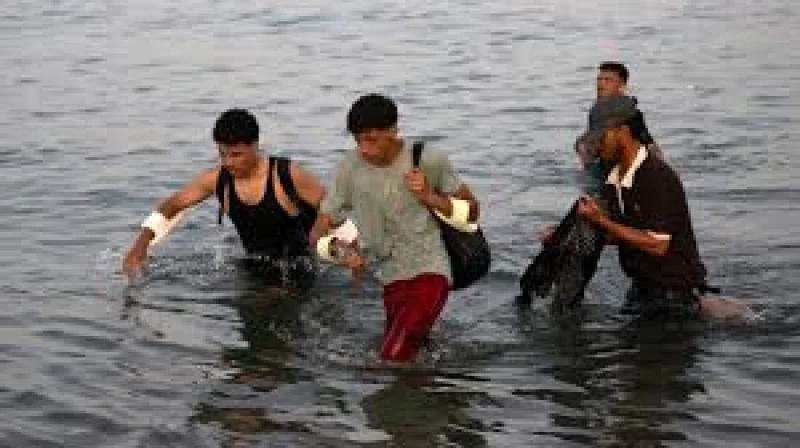
Pedro Sánchez demanded an emergency meeting of the interior ministers of all 27 European Union countries after Spain said it had expelled nearly all of the 50,000 to 60,000 migrants who crossed into Ceuta from Morocco. In a letter to Ursula von der Leyen, António Costa and Micheál Martin, he blasted European leaders for what he called a selfish and unlawful reaction to the crisis.
The request lands while Spain is still trying to contain the fallout from the surge, which overwhelmed border crossings in Ceuta and strained local resources enough to prompt a military deployment. Sánchez said the response from European governments had been uneven, with many expressing support and others attacking Spain and calling for its temporary exclusion from the Schengen Area.

That criticism matters because the dispute is not just about one border crossing. Sánchez argued that Ceuta is not part of the Schengen Area, that Spain remains one of the least porous external borders in the European Union, and that its record of irregular entries is far lower than Italy's in recent years. He also appeared to take issue with Italy's temporary suspension of Schengen free-travel arrangements with Spain, a move that underscored how quickly a border crisis in one place can spill into the rules of movement across Europe.
The friction is in the numbers and the timing. Sánchez said Spain had already sent back nearly all of the migrants, yet some European governments were still treating Spain itself as the problem. He wrote that most countries had shown solidarity and offered assistance, but said others had chosen to attack Spain for a situation he blamed on prejudice, fake news, ignorance or political interest.
What happens next is now a test of whether the European Union will turn that demand into action. Sánchez has asked for a formal meeting of all 27 interior ministers, but the response from the institutions has not been made public in the material available here. For now, the surge has done more than overwhelm Ceuta; it has reopened the fight over border enforcement, national security and how far Europe is willing to go when one of its own frontiers is suddenly under strain.
