


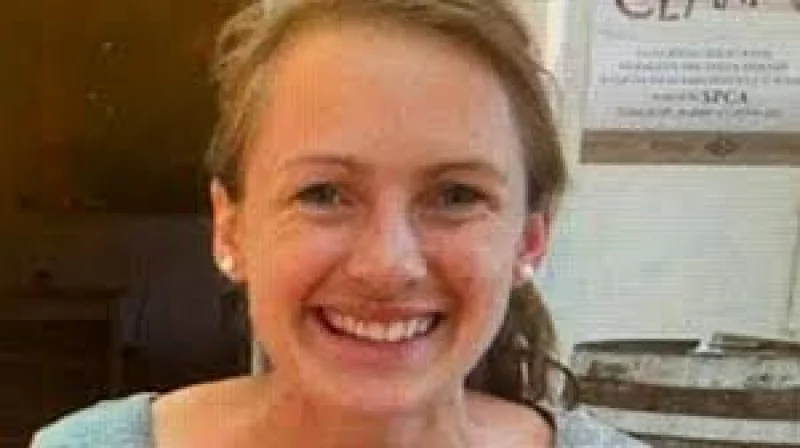
Greek police are trying to identify the people Elisabeth-Jane Ross said she would meet in Kypseli before her body was found in a suitcase in Athens. Ross, known to her family as Lisa, was 38.
The inquiry has now turned to the final people she named, because that may be the clearest route to explaining how the death unfolded. Officers are working from the account that she told Greek friends she was heading to Kypseli to meet her "American friends" or acquaintances, a lead that has not yet been resolved.
Ross is thought to have travelled to Greece from Edinburgh in late June. She went missing on 15 July, and her body was found three days later in an abandoned building in the Kypseli district of Athens by a homeless man. Police said her mobile phone was still transmitting a signal and sending some messages a few days after her death, a detail that has deepened the mystery around the timing of what happened to her.

That phone trail sits uneasily beside the physical evidence investigators are waiting on. A Greek police spokesperson said on Thursday that officers were awaiting toxicology results to determine the cause of death and to work out whether foul play was involved, while a post-mortem examination is under way. Police have not yet confirmed whether the case is being treated as murder.
Ross had initially stayed in Keratsini with Greek friends before heading to Kypseli, and police sources said officers were still trying to identify the people she planned to meet. The Foreign, Commonwealth and Development Office said on Wednesday that it was providing consular support and was in contact with the Greek authorities, while John Swinney called it "an absolutely appalling case."
For now, the investigation rests on two questions that have not yet been answered: who Ross was going to see in Kypseli, and what the tests will show about how she died. Until those pieces fall into place, the case remains a search for the last living link to Lisa, and for the cause of her death that the evidence has not yet revealed.
