


Climate change made the hot, dry and windy weather behind the wildfires in Spain at least 20 times more likely and in France twice as likely, according to a new World Weather Attribution analysis. The finding lands while severe fires are still burning across both countries and another heatwave is looming.
The numbers are not a guess at cause and effect for every blaze. They come from a comparison of the weather conditions during the seven-day stretch with the highest daily severity ratings in each country against a world without the extra heat trapped by carbon pollution. In that hotter world, the kind of fire weather seen in Spain is now much easier to produce, and in France it is far more common than it would have been before global heating.
Clair Barnes said the July fires in Spain and France stood out because they were hitting early in the season, just as the region was bracing for more heat. She called the situation extremely scary, and the science behind it points in the same direction: hotter, drier and more flammable landscapes are becoming easier to ignite and harder to control.

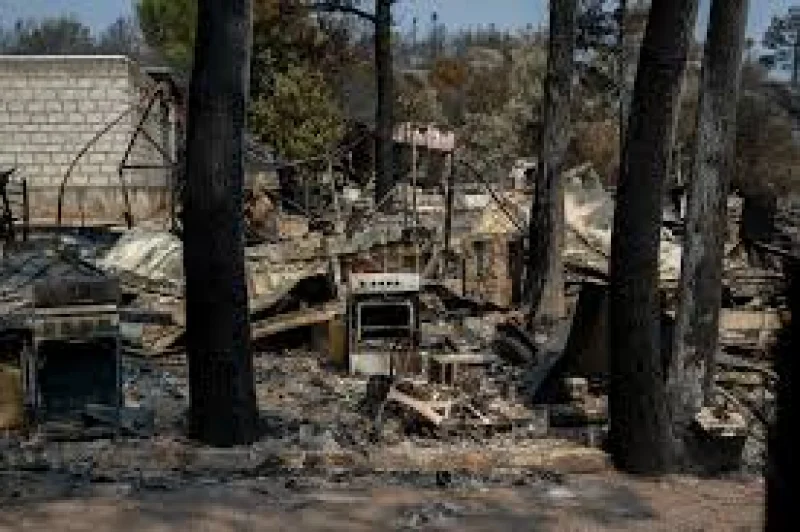
The fires have already killed people, destroyed thousands of homes and forced more than 300,000 people to flee. Smoke has pushed particulate pollution to as much as 20 times above fair air quality, with extremely poor air reported up to 400 km from the flames. Those impacts have spread beyond the fire lines and turned the summer air itself into a hazard.
But this year’s disaster was not shaped by heat alone. A wet winter and spring boosted vegetation growth across western Europe, giving the land more fuel once it dried out. That made the region more vulnerable even as the broader climate trend is making Europe’s summers hotter and drier, a combination that turns fresh growth into tinder.
WWA researchers said the analysis compared today’s warmed world with the climate before mass fossil-fuel burning had raised global temperature by 1.4C. Their broader warning is that the same pattern is now being repeated across Europe: more intense heat, harsher drought and faster-moving fire conditions. The open question is how much more damage these fires will do before the weather eases, and whether the next heatwave deepens a summer already marked by smoke, evacuations and loss.
