


Iran launched multiple ballistic missiles at American forces in the Middle East on Tuesday, and U.S. forces intercepted every one of them, according to U.S. Central Command. The attack hit during a brief period of calm and ended it at once.
That is why the strike matters today. The U.S. command said its forces remained vigilant and at a high state of readiness after the assault, a phrase that underscored how quickly the confrontation moved back into active danger. For readers tracking the Iran attack, the immediate question was whether the missiles got through. They did not.
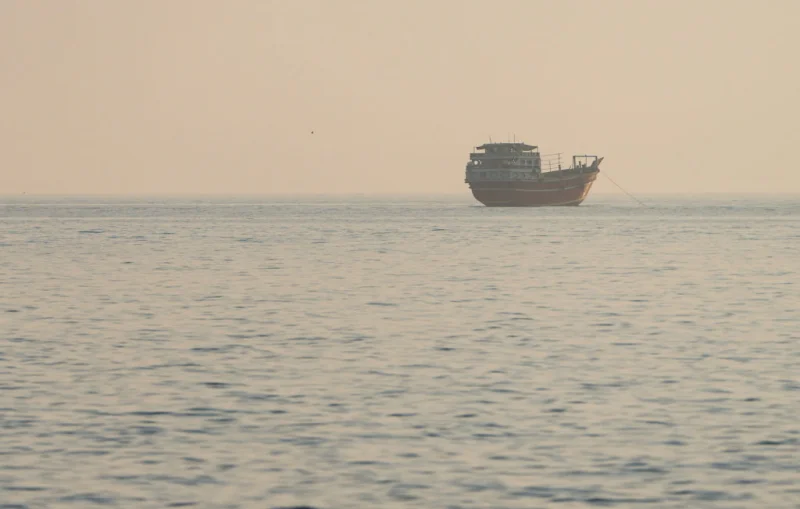
The timing made the strike more than another exchange of fire. The United States and Iran had seen days of relative calm after weeks of escalation over the Strait of Hormuz, where shipping lanes had already become part of the wider fight. An interim ceasefire deal was signed in June, but the area had already been pulled into a battle for control as Iran demanded ships use a route near its coastline and said it could potentially charge fees.

That calm was already thinning when mediators were trying to bring both sides back to negotiations and toward a ceasefire. Instead, the missile launch landed in the middle of the effort and exposed how fragile the pause had been. The episode also sat beside other pressure points in the region: Saudi Arabia said earlier Tuesday that it shot down drones fired by Iran-backed militias in Iraq for a second day, and the Saudi Defense Ministry said air defenses intercepted and destroyed several drones aimed at petroleum facilities in the eastern region.
Those Saudi claims opened another front in the same day’s unrest. The ministry said the attacks were once again launched from Iraqi territory and carried out by Iran-affiliated terrorist militias, while Iraqi Prime Minister Ali al-Zaidi ordered security agencies to investigate after a similar allegation on Monday. The Iraqi military said Iraq is committed to preventing its territory from being used as a route or launching point for any attack targeting brotherly or friendly countries, while the Islamic Resistance in Iraq called the Saudi claims fabrications.
At sea, the pressure kept building as well. The Houthis said they had fired missiles at the Saudi oil tanker NCC Ghazal, forcing it to turn back, and they announced a blockade of Saudi shipping last week. The United Kingdom Maritime Trade Operations Center said a tanker reported hearing explosions while traveling in the southern Red Sea, though the crew and vessel were safe. Earlier warnings about attacks on shipping had already pushed vessels toward a southern route along the coast of Oman under a U.S. overwatch operation.
The result is a conflict that now moves on land, over the water and through the air at once. Iran’s missile strike did not break U.S. defenses, but it did break the illusion of calm. The next test is whether the people trying to restore talks can do so before the region’s shipping lanes and military outposts absorb the next blow.
