


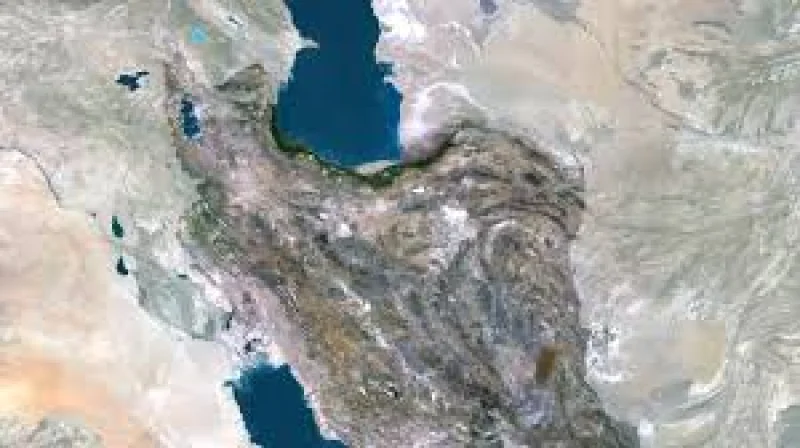
Ukraine struck an Iranian cargo vessel in the Caspian Sea on Saturday, and Iran said one sailor was killed and several others were injured. The attack was described as the first direct link between the wars in Iran and Ukraine.
That is why the strike drew attention so quickly. Volodymyr Zelensky said Ukrainian forces had achieved "very good results" in long-range strikes in the Caspian Sea, making the operation public as the conflict around Ukraine widened into waters long associated with supply lines rather than direct hits on ships.

The vessel was the Anna, and Iran's ambassador in Russia, Kazem Jalali, said it had been anchored about 5km, or roughly 3 miles, from the mouth of the Volga River when it was targeted. A Ukrainian diplomat said the ship was carrying components for drones and missiles from Iran to Russia, putting it squarely inside the military partnership that has deepened since Iran began supplying Russia with its domestically manufactured Shahed drones in 2022.
Iran rejected the attack as a civilian strike on an Iranian cargo vessel and said it could not be separated from a wider conflict in which Tehran insists it is not directly involved. Abbas Araghchi called it "a blatant UN Charter violation done at Israel's behest to drag Europe into its war," and said it "CANNOT GO UNANSWERED," turning a maritime hit into a political accusation aimed well beyond the Caspian Sea.
The friction is simple and serious: Ukraine says the Anna was part of a weapons route, while Iran says it was a cargo ship and a sailor was killed in an attack that had no justification. The Caspian Sea is a strategically vital supply route between Russia and Iran, and that makes Saturday's strike more than a single incident. It shows how quickly the Ukraine war can reach into the logistics network that binds Russia and Iran together, and it leaves Tehran with a choice about whether to answer in kind or absorb a blow that has already crossed a new line.
