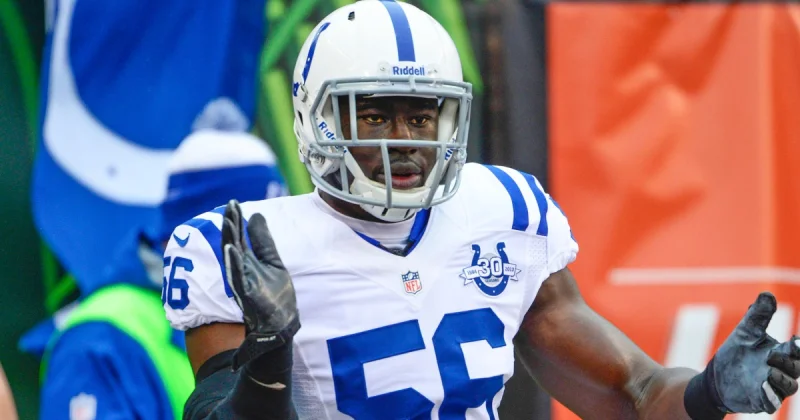
ICE said it deported Daniel Ogama Adongo on June 20, ending a late-March removal order that had put the former Indianapolis Colts linebacker on a fast track out of the United States. The agency said Adongo, who became the first Kenyan to play in the NFL, overstayed a visa in 2016 and was removed after immigration proceedings that stretched for months.
The case drew attention because Adongo was not just any name in the immigration system. He played linebacker for the Indianapolis Colts after the team signed him in 2013, then later faced a criminal case that ICE said led to a conviction for criminal mischief with damage in 2020 and a sentence of 364 days in jail. Court records showed he was ultimately ordered to serve six months in county jail with credit for time served.

ICE said the removal was tied to more than the visa overstay. It said Adongo faced felony intimidation, battery and disorderly conduct charges that did not end in conviction, and that his most recent charges fell under the Laken Riley Act. Douglas Thompson said the case involved “a dangerous individual” and said the community was safer after his removal, adding that people who violate immigration law are held equally accountable, including former professional athletes.
That account sits beside a different one that had followed Adongo for years. His lawyers had previously attributed his arrests to mental illness, and a doctor who examined him at St. Joseph Regional Medical Center described him as acutely psychotic with traumatic brain injury. A mental health social worker who treated him for years wrote that he suffered from an undisclosed mental illness that was highly speculated to be Chronic Traumatic Encephalopathy, or CTE. CTE cannot be diagnosed in a living patient and is only confirmed after death.
ICE disclosed the deportation in a Saturday statement, but it did not say what, if anything, comes next for Adongo after his removal. What is clear is that the enforcement action closed a case that blended immigration law, a former NFL career and unresolved questions about his health history, leaving the paperwork settled even as the human toll remains harder to measure.