


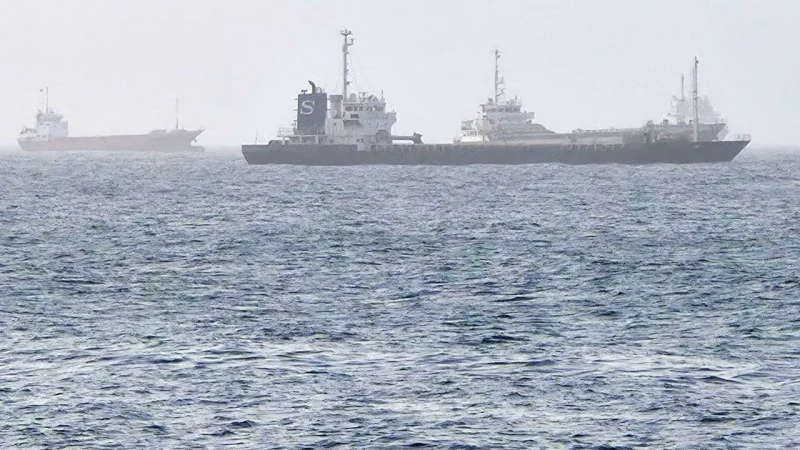
An oil tanker exploded in the Strait of Hormuz on Sunday after colliding with what Tasnim described as a naval mine, in an incident that again put pressure on one of the world’s most closely watched shipping lanes. The tanker struck the mine after leaving the route designated by Iran, the report said.
The blast matters because the Strait of Hormuz is a strategic waterway, and even a single incident there can ripple quickly through navigation and maritime security concerns. That is why the report landed now, alongside earlier signs that Iran and mediator Oman had made some progress over navigation through the strait.

What is missing is an official Iranian response. There was no immediate statement from Iranian authorities on the explosion, and that leaves the core details resting on Tasnim’s account alone. For now, the report does not identify which oil tanker was involved, even as the broader debate over access, routing and control in the strait continues.
That debate is already tied to a separate proposal under discussion. Oman has proposed a regional consortium to oversee maritime security, search-and-rescue operations and other cooperation, with participation and payments meant to be voluntary. Iran has so far opposed the idea and is insisting on mandatory payments, which makes the route dispute around Sunday’s blast more than a one-off maritime incident. If Tehran does not accept the proposal currently on the table, the friction over how the strait is managed is likely to remain unresolved.
