


Iran said one of its sailors was killed and another wounded after an attack on a commercial vessel in the Caspian Sea on Saturday, then summoned Ukraine's charge d'affaires in Tehran and accused Kyiv of carrying out a hostile and criminal act.
The shipment was not identified, and Iran did not say how the vessel was hit. But the casualty count turned the incident into more than a diplomatic complaint: it became a maritime attack with a death, and a test of whether the Caspian Sea can remain insulated from the wider wars pressing on Iran from other directions.
That is why the story is moving now. The Caspian Sea has long been regarded as one of Iran's safest maritime routes, even as pressure on shipping has built in the Strait of Hormuz and the Red Sea. An attack there cuts against that assumption and lands at a moment when Tehran is already guarding its trade routes closely.

Iran's Ministry of Foreign Affairs said the attack reflected Ukraine's continued irrational and hostile approach toward Iran and warned that Tehran would defend its national interests. It also described the incident as a violation of Article 2 of the United Nations Charter and said it could further expand the Russia-Ukraine war.
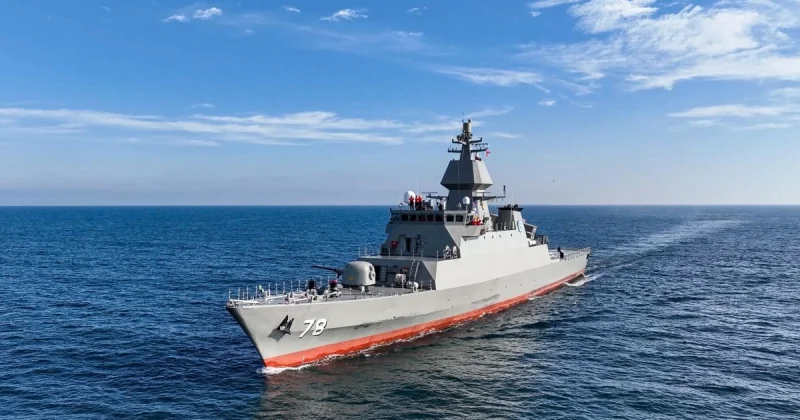
Volodymyr Zelenskyy offered a very different account. He said Ukraine had achieved very strong results through long-range strikes in the Caspian Sea and said the targets were vessels used in military cargo shipments involving Iran and a warship. He also accused Russia of providing Iran with satellite intelligence to support its military campaign in the Middle East.
That claim sits at the center of the dispute. Iran said it has never directly intervened in the Russia-Ukraine war, while Zelenskyy said Ukraine had recorded active Russian satellite surveillance of the Gulf states and US military facilities since the beginning of July, saying there was a clear correlation. Iran has not explained what was on the vessel, and that gap leaves the key question unresolved even as the diplomatic reaction hardens.
The incident matters because it opens a new seam of vulnerability for Iran: a commercial route once treated as relatively secure, now pulled into the logic of another war. If trade across the Caspian Sea is threatened, Tehran loses one more corridor it had counted on, and the next response from Iran is likely to show whether it treats this as an isolated strike or the start of something larger.
