


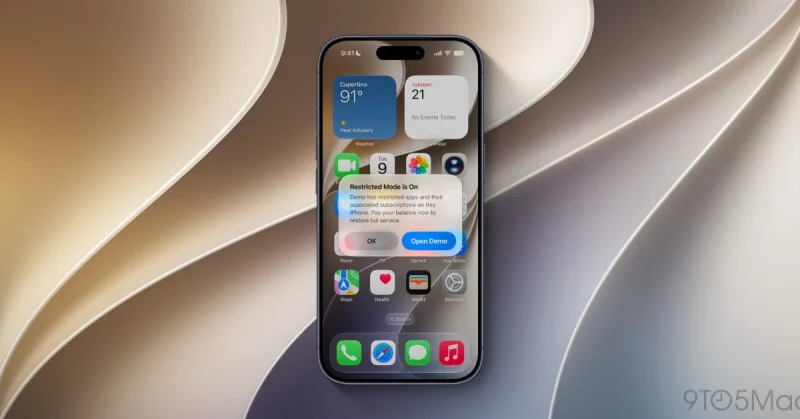
Apple plans to launch Apple Upgrade in the US on July 28, a Klarna-backed leasing program that would let customers lease most iPhones, iPads, Macs and Apple Watches instead of buying them outright. The move would also end new enrollments in Apple’s current iPhone Upgrade Program and its standard iPhone financing once the new plan goes live.
The timing is why shoppers are searching now. Apple raised the MacBook Air price from $1,099 to $1,299 and the iPad Air from $599 to $749, making the new monthly-payment pitch look less like a routine financing refresh and more like a reset in how Apple wants people to pay for hardware. For someone choosing between paying upfront and spreading the cost out, that matters immediately, because the new plan is designed to lower the monthly bill while keeping the device’s full cost in play if the customer wants to own it at the end.
The reported terms are straightforward enough. iPhones and Apple Watches would be leased for 24 months, while Macs and iPads would run 36 months. Enrollment would require a soft credit check, and the program would be offered through Apple’s website and retail stores. Customers could upgrade early, return the device when the agreement ends, or pay the remaining balance to keep it, though some of those choices could come with extra fees.

That is where the fine print starts to matter. AppleCare reportedly would not be included in Apple Upgrade, even though Apple’s current iPhone Upgrade Program spreads the combined cost of an iPhone and AppleCare Plus with Theft and Loss across 24 interest-free payments. Under the existing plan, customers can upgrade after making the equivalent of 12 payments and trading in their current phone. Under the new one, anyone who wants coverage would need to buy AppleCare separately, which makes the monthly payment look smaller while shifting more of the total cost back to the customer.
Apple is making that change while it is not coming off a weak quarter. The company reported $111.2 billion in revenue and nearly $29.6 billion in net income for the three months ended March 28, so the reported leasing push is not a rescue move. It lands in a market where applications for new credit reached their highest rate in nearly five years in June and where a Federal Reserve survey found that 37% of adults would need to borrow money or sell something to cover a $400 emergency expense. That is the audience Apple is now targeting: customers looking for manageable monthly payments, even if the total cost can climb once the device, insurance and any upgrade fees are all added together.
The next question is not whether Apple can launch the program on schedule. It is whether enough customers will accept a lease that looks easier at checkout but gives up the simplicity of Apple’s current upgrade plan and leaves ownership more expensive for anyone who keeps the device to the end.
