


The Houthis said on Monday they would blockade Saudi shipments and target Saudi, Israeli and United States-linked tankers in Bab el-Mandeb, then attacked two Saudi Arabian oil tankers on Thursday. Brent futures jumped $6.58, or 6.96 percent, to $100.65 a barrel, putting oil back above $100 for the first time since late May.
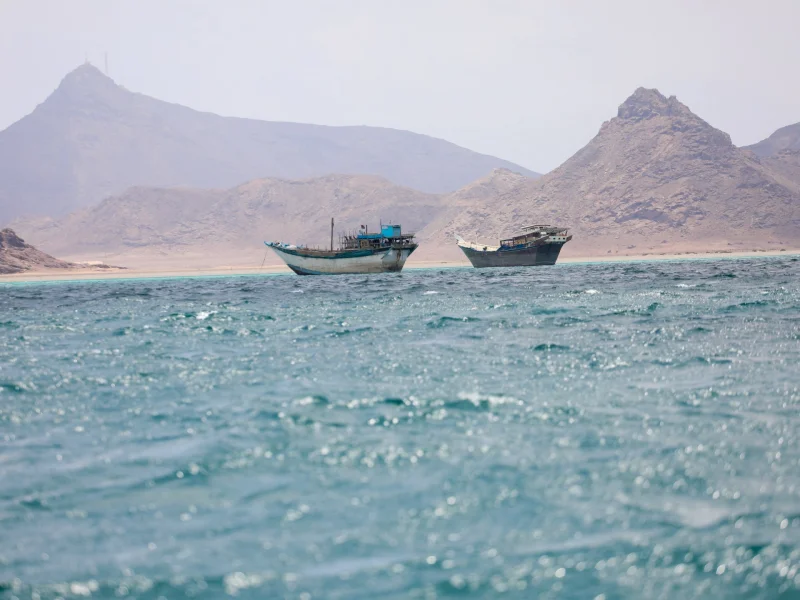
That price move is why traders are watching the shipping lane so closely now. Bab el-Mandeb is one of the narrowest routes between the Red Sea and the Indian Ocean, and a threat there can ripple straight into crude flows, freight costs and fuel prices. The market reaction also shows how quickly a blockade threat becomes a price event when the vessels at risk are tied to Saudi shipments.
Michelle Bockmann, who follows tanker movements, said the Houthis remain hard to read. “The Houthis are quite mercurial and there is no complete clarity on what the blockade means,” she said. Windward, the marine analysis firm, said the blockade appears to be shaping who moves Saudi crude rather than stopping the oil itself. Its tracking showed cargo that passed through Bab el-Mandeb on July 20 was Saudi in origin but Chinese in crew and destination, and it drew no interdiction.

That is the friction inside the announcement. The Houthis said they would hit Saudi, Israeli and United States-linked tankers, but the pattern so far suggests an effort to sort vessels by affiliation rather than by what they carry. Bockmann said she is now watching whether Chinese-owned tankers at Yanbu are allowed through Bab el-Mandeb, adding that two have already passed but were loaded before the blockade was announced. If that rule holds, the blockade could narrow the flow of Saudi crude without shutting it down.
The pressure is not just theoretical. Patrick De Haan said the rise in oil prices could add $0.10 to $0.20 per gallon to the US average over the next week or two. The risk is higher because the Houthis have already been attacking cargo ships aligned with Israel and the United States in the Red Sea during the war on Gaza, and crude buffers have not been fully rebuilt after the peak of the Hormuz crisis earlier this year. That leaves traders with less room to absorb another shock if the blockade tightens further.
For now, the key question is not whether the Houthis can make shipping more expensive. They already have. The question is which tankers they decide to stop next, and whether Bab el-Mandeb becomes a screening point for politics as much as for oil.
