


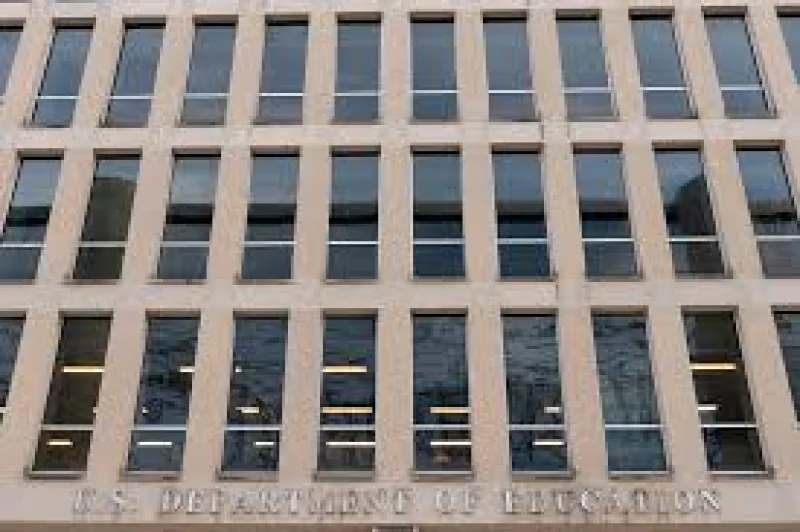
The Department of Education on Wednesday scrapped civil rights administrative guidelines for Career and Technical Education programs, ending a review requirement that took effect Thursday and had forced states to check their programs periodically for compliance. The department also said Thursday it would rescind disparate-impact provisions from its Title VI regulations.
That timing matters because the move lands as the Trump administration pushes harder toward workforce training, apprenticeships and shorter postsecondary pathways. Last year, Donald Trump ordered his administration to invest in those programs, and on July 1 short-term workforce programs running eight to 15 weeks became eligible for federal Pell Grants, giving the policy shift a faster route into schools and training centers.

The rescinded CTE guidelines had covered recruitment and admissions, services for students with disabilities and financial aid. They were created in 1979 by the Department of Health, Education, and Welfare under court order after a suit said the agency had failed to enforce Title VI of the Civil Rights Act of 1964 in vocational education. The Education Department said the requirement was unnecessary and duplicative, and that existing federal civil rights laws already cover CTE programs.
Kimberly Richey called the move “a win-win for state agencies and schools that administer CTE programs,” saying it reduces unnecessary burdens while keeping critical civil rights protections in place. But Roxanne Garza said the change “really shifts the burden” from states doing proactive compliance checks to students and families bringing a discrimination case to the Department of Education. That is the fault line in the policy: the department says the legal protections remain, while advocates say removing routine review makes those protections harder to enforce before harm spreads.
Students who believe they faced discrimination or retaliation can still file complaints with the Office for Civil Rights, but that is a different system from the one the guidelines were designed to create. The question now is not whether the federal government still has a civil rights process for CTE programs. It does. The question is how many students will have to wait until after a problem surfaces — and then build a case on their own — before the department acts.
