


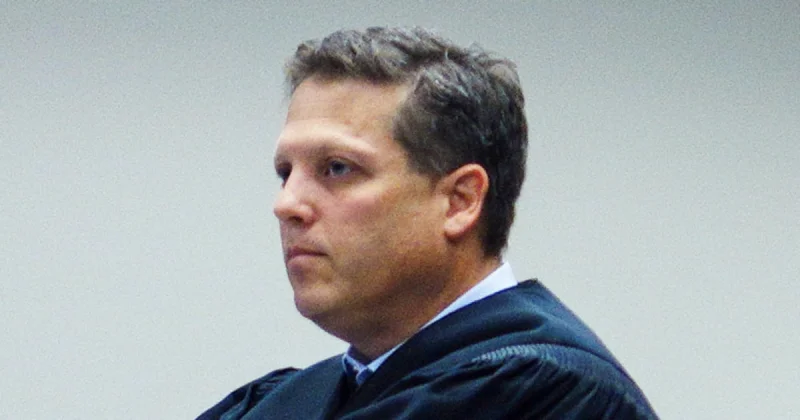
Roger Rogoff sued the Trump administration on Tuesday after being fired less than an hour after he took the oath as the top federal prosecutor in the Western District of Washington. Rogoff is asking a federal judge to declare the firing unlawful and let him keep serving until a permanent successor is named.
The firing came last week, just 54 minutes after Rogoff was sworn in. That timing has made the case a fresh test of who controls a temporary U.S. attorney post when a district court panel has made the appointment and the White House wants the person out. Rogoff, who was unanimously selected by federal judges after the Seattle job had been vacant for months, says the dismissal cuts against federal law and the Appointments Clause of the Constitution.
The lawsuit names Donald Trump, Todd Blanche and the Justice Department as defendants. It says that when a temporary appointment expires and the post remains empty, a district court can step in and name a U.S. attorney. Under the arrangement set out in federal law, temporary appointees chosen by the U.S. attorney general can serve up to 120 days. If the Senate has not confirmed a nominee by then, judges in the district may make their own appointment.

Blanche tried to draw the sharpest possible line between those powers on Wednesday, posting on X that district court judges can appoint a temporary U.S. attorney and the President can fire them. Rogoff’s lawyers answered that the firing was unlawful and that the district court’s appointment power would mean little if it could be erased the moment the President disagreed with the choice. Their filing also says the President has tried to negate Congress’s power by moving to fire anyone appointed without the support of POTUS.
That clash is not happening in a vacuum. During Trump’s second term, multiple judges have ruled that government attorneys were serving unlawfully after Pam Bondi appointed them, and one of the most closely watched examples ended when Lindsey Halligan left her post as acting U.S. attorney in Virginia after a judge found her appointment unlawful. A panel of federal judges then unanimously appointed James Hundley, only for the Justice Department to fire him. Rogoff is now the first person to sue the Trump administration after being fired as a U.S. attorney following an appointment by federal judges.
Rogoff had already built a long legal career before this fight reached court, serving as a former judge and as a state and federal prosecutor. But the dispute now turns on a narrower question with immediate consequences: whether a federal judge will order him back into the Seattle job while the vacancy remains open. If the court sides with Rogoff, he could remain in place until a permanent successor is nominated and confirmed by the Senate. If it sides with the Justice Department, the firing stands and the temporary post becomes another point of leverage in a broader struggle over who controls federal prosecutors when the confirmation process stalls.
