


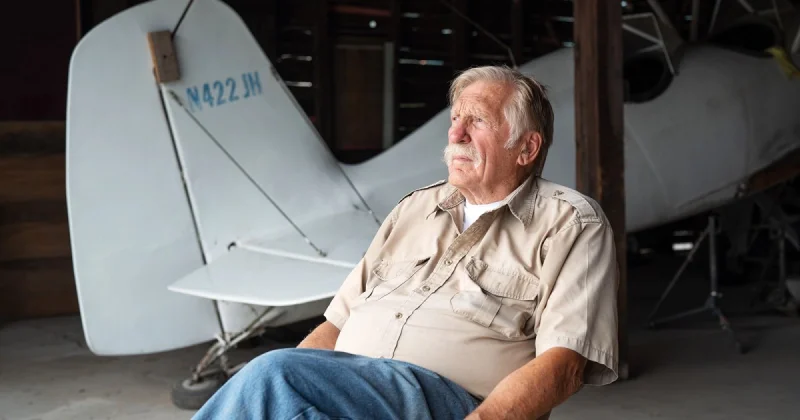
The Supreme Court on Monday agreed to review whether Alaska’s confiscation of Ken Jouppi’s $95,000 airplane violated the Constitution’s ban on excessive fines. The case will be heard in the coming term that starts in October, putting the justices in position to decide how far that protection reaches when a plane is seized after beer is found on board.
Jouppi says the Eighth Amendment was built for cases like his. His lawyers told the Court that an airplane forfeited for a six-pack cannot be squared with the Constitution, and he is asking the justices to say the punishment must be measured against what he did, not just against the size of the aircraft or the reach of Alaska’s forfeiture law.
The fight centers on Jouppi’s 1969 Cessna, which Alaska moved to seize after a passenger had beer in her luggage while he was set to fly her to a dry village that banned alcohol. When the Alaska Supreme Court upheld the forfeiture, it said the punishment was not grossly disproportional to the harm caused by Jouppi’s alcohol importation offense. It also said the plane’s value was only 9.5 times the maximum fine that could have been imposed against him.

That is the rule now under review. The Supreme Court is being asked to decide not just whether this forfeiture was too severe, but what test lower courts should use when they measure excessive fines in forfeiture cases. Jouppi’s side wants a defendant-focused standard. Alaska’s position is that the state’s alcohol problems justify treating planes that illegally import alcohol into dry communities as subject to forfeiture, and that state law is built to meet those conditions.
The state case grew out of evidence the Alaska Supreme Court described in detail. It said that in April 2012 Jouppi loaded the equivalent of three cases of beer into his airplane for a customer who had chartered his company’s services to fly from Fairbanks to Beaver. A state trooper testified that he saw Jouppi opening and closing boxes while loading the airplane and said Jouppi must have been turning a blind eye to the contents because it would have been impossible not to see alcohol being loaded.
The state’s view of the case has been steady: Alaska officials say the state faces unique difficulties in combating alcohol abuse and its consequences, and that forfeiture is one of the tools the law gives it. The Alaska Supreme Court said the lower court properly looked at the facts of the case along with the Alaska Legislature’s goals in enacting the forfeiture statute.
That leaves the Supreme Court with a narrower but more consequential question than the one that first brought Jouppi here. If the justices side with him, they could force courts to look more closely at the offense and the offender before approving a forfeiture. If they side with Alaska, the state’s plane-seizure law for alcohol cases will stay on firmer ground. The hearing will be scheduled sometime between October and April, and a decision is expected by July.
