


The U.S. Air Force has opened a search for a Ground-Based Launcher system to help defend its military air base installations against cruise missiles and drones, and it wants industry responses by Aug. 6. The Request for Information asks contractors to show how they would build a transportable air defense system with integrated command and control.
The timing matters because the service is not looking for a narrow fix. It wants a system that can deal with drones from Group 1 to Group 5, a spread that runs from aircraft weighing less than 21 pounds to systems with a maximum weight of more than 1,320 pounds. The RFI also points to a single defense package that could stop both a small kamikaze drone and a Global Hawk-sized UAV, a sign that the Air Force is trying to cover the full range of base threats with one architecture.
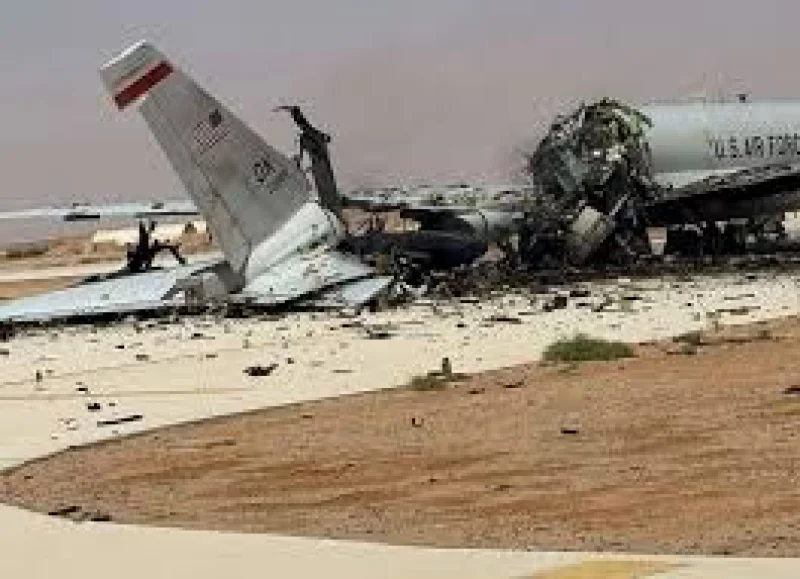
That search is unfolding against a record that gives the requirement real weight. U.S. and allied military bases in the Middle East have been struck by Iranian drones and missiles, with Iranian weapons destroying a U.S. E-3 Sentry AWACS, damaging at least five KC-135 tankers at Saudi airbases and devastating multiple air defense radars. The service also wants contractors to spell out firing rate across all magazines, total magazine depth, and how quickly sensor data can be passed to weapons for cueing.

The request goes further than a simple shopping list. It calls for a self-contained system that is easily transportable, uses a laser illuminator for fire control and has integrated sensing capabilities. Contractors are also being asked to address cost, transportability, manpower needs and built-in testing diagnostics for maintenance and safety, with the Air Force pointing them to the 2012 Joint Staff publication JP 3-01, Countering Air and Missile Threats, as a guide.
That is where the internal friction shows through. Last year, a strategist on the Air Staff argued that the Air Force should stop relying on the Army for primary air defense of airfields, warning that expeditionary airbases lack systems like Patriot and that the Air Force’s own security forces are poorly equipped for air defense. The new request suggests the service is moving toward its own answer rather than waiting for someone else to cover the gap.
The unanswered question is not whether the Air Force wants a base defense system. It is which industry partner can deliver the launcher, sensors, command links and magazine depth the service is asking for by Aug. 6, and whether that answer will be a single architecture that can survive the next drone raid as well as the missile strike after it.
