


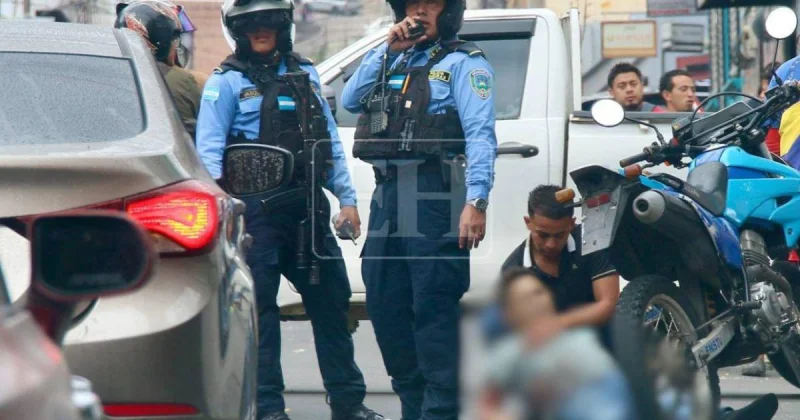
The killing of a public transport driver has lifted the number of transport workers killed in 2026 to 25, according to Wilmer Cálix, who said the sector is still counting fresh losses while asking what drove the latest attack. He called on the authorities to investigate the case and said workers remain victims of violence.
Cálix said the route where the victim worked was not under extortion threat, even as he would not rule out extortion, robbery or personal reasons as the motive. That uncertainty is now at the center of the case: the death adds another name to a year already marked by repeated attacks on transport employees, and the question is not only who pulled the trigger, but why this driver was targeted at all.

The timing has sharpened the pressure on the state. Cálix said nearly six months after the new government took office, violence against drivers is still being reported, despite the installation of the Division Anti Extorsión y Asociaciones Terroristas. He argued that the unit alone will not be enough to stop the killings unless the state defines what resources it needs, which institutions must be involved and how investigative work will be sped up.
That warning reflects a sector that has spent months operating under strain. Since 2025, several public transport routes have continued with restrictions or have been shut down because of insecurity and a lack of workers willing to take jobs in high-risk areas. The latest killing deepens that crisis and keeps the pressure on routes that were already running short of personnel.
The unresolved issue is now plain. Cálix wants the case cleared up and the responsible people captured, but he also says the authorities must prove that the response can match the scale of the violence. Until investigators establish whether the motive was extortion, robbery or something personal, the death toll will remain the most visible measure of how far Honduras still has to go.
