


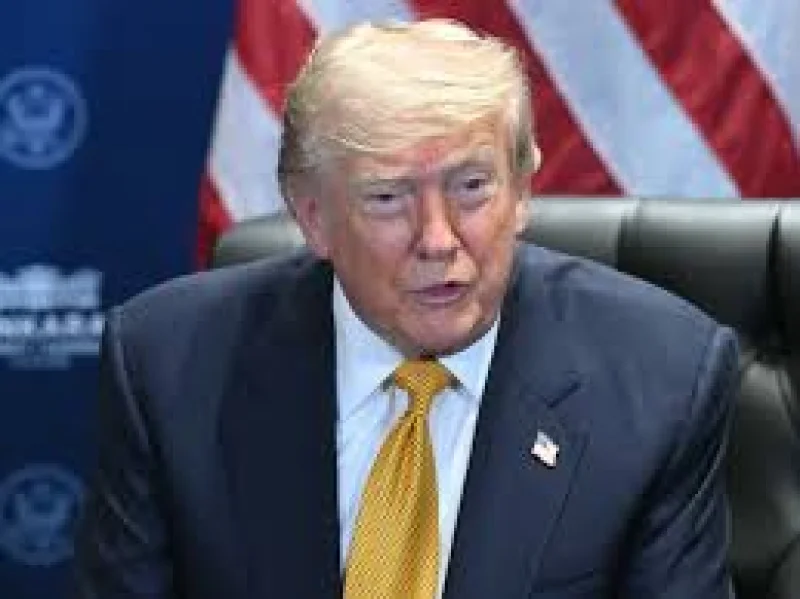
Donald Trump said the US-Iran ceasefire was over after the two sides traded strikes overnight, turning a fragile truce into a fresh round of open confrontation. Speaking at a Nato summit in Turkey, he said, "I don't want to deal with them anymore, they're scum," and added: "They're sick people, they're led by sick people... As far as I'm concerned, it's over."
The remarks landed after a night of violence that pushed tensions back into the Gulf and made the US Iran search immediate again. Late on Tuesday, the US said it had fired at more than 80 Iranian targets after attacks on three oil tankers in the Strait of Hormuz, while Iran said it was targeting US military sites in Bahrain and Kuwait in response.
Those strikes matter because they came on the heels of a 14-page memorandum of understanding signed last month by Tehran and Washington to extend the ceasefire and end the conflict on all fronts. That agreement, signed on 17 June, was meant to keep the fighting from widening. Instead, the conflict has now spilled over again in the Gulf, with the Strait of Hormuz once more at the center of the escalation.

Trump tried to leave one door open even as he shut another. He said negotiators on both sides can continue to talk, but added, "I think they're wasting their time." That is the core contradiction now: the ceasefire is being treated as finished, yet the channel that was supposed to keep it alive has not been formally closed.
There is also a gap in the latest round of attacks. The US has said it hit more than 80 Iranian targets, but it has not laid out exactly what those targets were. Iran, for its part, has not directly claimed responsibility for the attacks on the three oil tankers, even as the overnight strikes on Bandar Abbas were captured on video and showed flames rising over a facility. With Nato chief Mark Rutte calling the US strikes "absolutely necessary" and accusing Iran of "basically violating the ceasefire," and Mohammad Bagher Ghalibaf saying the US had "breached the truce," both sides are now arguing over who broke it first while the fighting itself keeps moving ahead.
For now, the ceasefire looks less like a pause than a paper barrier that has already been torn. Whether Tehran and Washington can turn the talks back into something meaningful will be the test that matters next, because the guns have not stopped just because the words have changed.
