


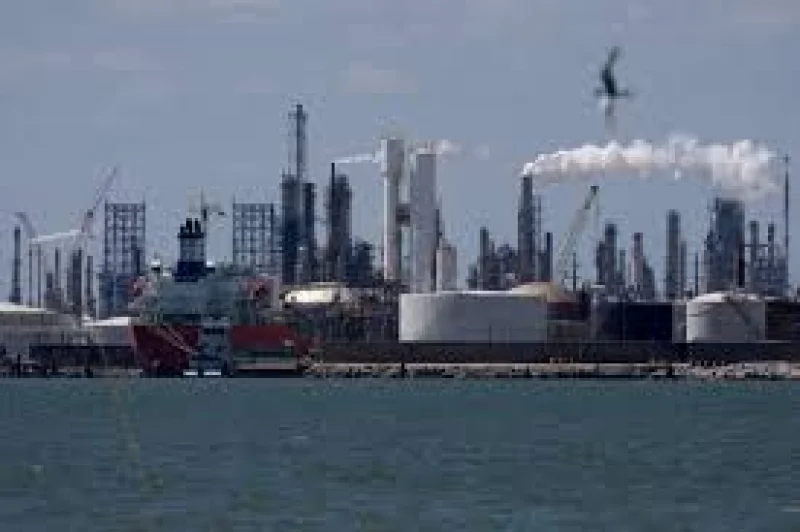
Ukraine’s drone campaign against Russian energy infrastructure reached one of Siberia’s biggest fuel hubs when a drone strike hit the Omsk refinery, drawing fresh attention to a war now increasingly shaped by attacks far from the front line. The strike put the refinery in the middle of a wider campaign that has repeatedly targeted oil and fuel assets used to support Russia’s war effort.
That is why the search for Ukraine Drone Strike On Omsk Refinery is rising now: the attack landed in a place many readers would not normally associate with the war, yet it fits a pattern that has become harder for Moscow to ignore. Omsk, deep inside Russia and far from Ukraine’s border, sits on a major industrial route that helps explain why a refinery there matters beyond the city itself.

The strike underscores how Ukraine has pushed the conflict into Russian territory in ways that are meant to be felt economically as well as militarily. Refineries have become frequent targets because they sit at the center of fuel supply, and any disruption can ripple through domestic markets, logistics and the wider machinery of war. Omsk’s refinery is one of the best known in the Russian energy system, which makes damage there more than a local incident.
But the picture is not as clean as a simple hit-and-run attack. The facts available here do not say how much damage was done, whether production was slowed, or how quickly repairs could begin. That uncertainty matters because in this phase of the war, the effect of a drone strike is not measured only by the blast itself but by what it forces Moscow to admit, repair or reroute after the smoke clears.
What comes next is the part both sides will watch closely: whether Ukraine keeps widening its reach against Russian fuel infrastructure and whether Russia can shield assets that once felt safely out of range. For Omsk, the strike is a reminder that distance no longer guarantees safety in this war.
