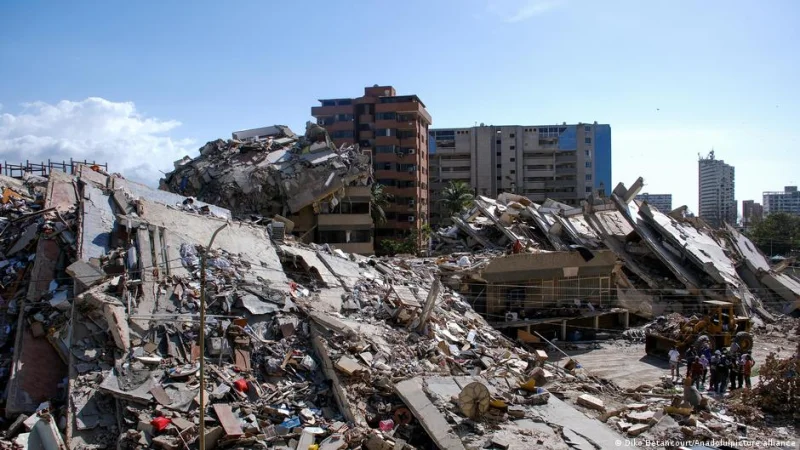
Residents blocked the main access road to Caraballeda on Saturday, pressing the government to move them into new housing after the earthquake left their homes unsafe. The protest laid bare how little has changed for families still sleeping outside more than ten days after the double quake.
Venezuela's earthquake, measured at 7.2 and 7.5, has left 2,954 people dead and more than 12,600 injured, with authorities estimating 15,000 people without a place to sleep and the latest balance showing 885 damaged buildings and 189 that collapsed completely. In Caraballeda, where the most visible damage is still around the OPPE 30 tower, the road blockade became the only way residents felt they could force attention.

José Guillén said children and adults have been sleeping in the street for more than ten days, a count that matches the frustration on the ground and the scale of the displacement. That estimate of 15,000 without shelter is not a guess pulled from one building; it comes from the broader count of people left out of their homes across the affected area, including those from buildings that still stand but cannot be lived in safely.
Juan Jiménez, who lived on the fourth floor of OPPE 30, said he recovered algunas cositas after the earthquake but no longer dares to go back upstairs. The white tower has 13 floors and 192 apartments, and about 300 people lived there before the quake left the interior badly damaged, a reminder that a standing building can still be empty of safety. Around the same time, Digitel and Movistar Venezuela were working with Starlink to restore connectivity in La Guaira, while Movistar Venezuela opened three free wifi points in refuges in Catia La Mar, Maiquetía, and a sector near the airport.
That mix of roadblocks, shelter shortages, and patchwork recovery has turned the relocation promise into the central unanswered issue. Residents say they were told they would be moved to Los Caracas, but they are still waiting while the Spanish cooperation hospital starts a one-month run at Parque del Este in Caracas and communications crews keep stitching service back together. The next test is not whether help exists on paper; it is whether the displaced are finally told to board the buses they have been waiting for.