


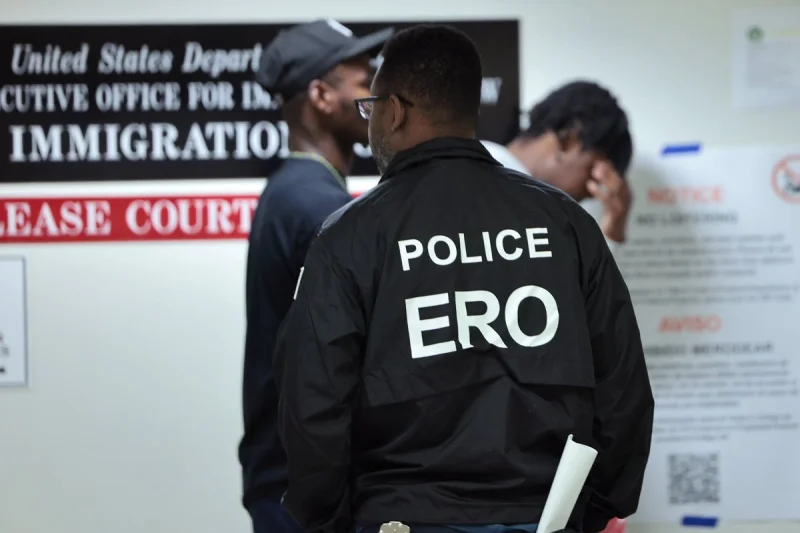
Federal authorities arrested more than 10,000 immigrants in the week after the Supreme Court handed Donald Trump several victories in his anti-immigration campaign, and the pace jumped again over the weekend as the White House pressed for even more arrests. On Saturday alone, agents took in more than 2,400 immigrants, a surge that pushed ice detention above 63,000 people.
The numbers show how quickly the crackdown has hardened. Immigration and Customs Enforcement officials have reportedly been told to make at least 2,000 arrests a day, a floor that would require the agency to keep up roughly 14,000 arrests a week if it held steady. That would be a steep climb from the pace before the latest push, and it helps explain why the arrest total crossed 10,000 so fast.
For the people caught in the net, the story is less about targets than shock. A 56-year-old Catholic nun in Texas was arrested on the way to Sunday mass and later left a detention center in tears. In New York City, several arrests inside an immigration courthouse this week appear to have violated court orders, adding another layer of scrutiny to an operation that is moving fast and leaving legal questions behind it.

The enforcement drive is also unfolding against the Trump administration’s own broader goals. ICE officials told Congress earlier this year that the agency plans to deport 1 million people in the 2026 and 2027 fiscal years and hold at least 99,000 people on any given day in ice detention centers. The agency deported 442,637 people in the 2025 fiscal year, so the new arrest standard looks less like a burst and more like the opening pace of a much larger machine.
That is why the latest wave stands out even as it does not appear to be part of a separate militarized-city surge in Democratic-led cities. The White House said the Trump administration is delivering on its promise, and Marcos Charles, the senior ICE official overseeing Enforcement and Removal Operations, thanked agents for their efforts after the weekend arrests. What remains unclear is how long the agency can sustain a 2,000-a-day arrest target once the most visible momentum passes.
For now, the answer is already visible in the detention count and in the people being swept up. The arrests have moved from a campaign vow to a daily quota, and the gap between those numbers and the 99,000-bed goal Congress was told to expect suggests this is still the early stage of a far larger enforcement campaign.
