


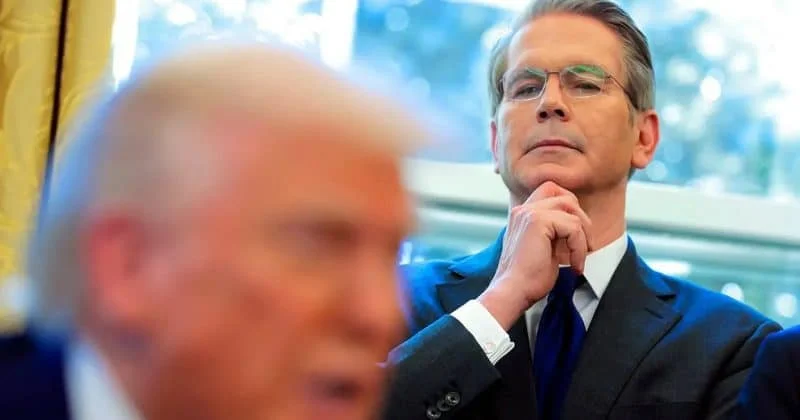
Scott Bessent warned non-Chinese buyers of Iranian oil that they deal with Tehran at their own risk, a blunt message that signals the US Treasury is ready to widen the squeeze on Iran’s revenue streams. Banks and intermediaries that keep those purchases moving could face cutoffs from the US financial system.
The warning lands at a moment when the Treasury is trying to make every route into Iran’s oil trade more expensive. Non-Chinese buyers are already growing cautious and stepping back from Iranian crude, even as China remains the dominant buyer and keeps that market alive.

The push is part of a renewed maximum pressure campaign that is not limited to oil. Under Operation Economic Fury, the US Treasury has seized approximately $1 billion in crypto assets linked to Iran, and on June 2, OFAC sanctioned Nobitex and three other Iranian digital asset platforms. That move effectively blacklists those exchanges from the global financial system and makes it illegal for US persons to transact with them.
The crypto action matters because it shows how far the Treasury is willing to go to make sanctioned networks harder to use, whether the asset is oil or digital currency. Any tokens or assets associated with an OFAC-designated entity can become effectively untradeable on compliant platforms, which is why the sanctions pressure extends beyond the exchanges themselves to the institutions that clear, hold or move value around them.
The friction in Bessent’s warning is simple: the Treasury is trying to choke off Iran’s revenue, but the pressure is aimed less at China than at the smaller buyers and the banks that enable them. That leaves the next move in the hands of enforcement, with the real question now whether Washington will start naming the intermediaries it says are still willing to do business with Tehran.
