


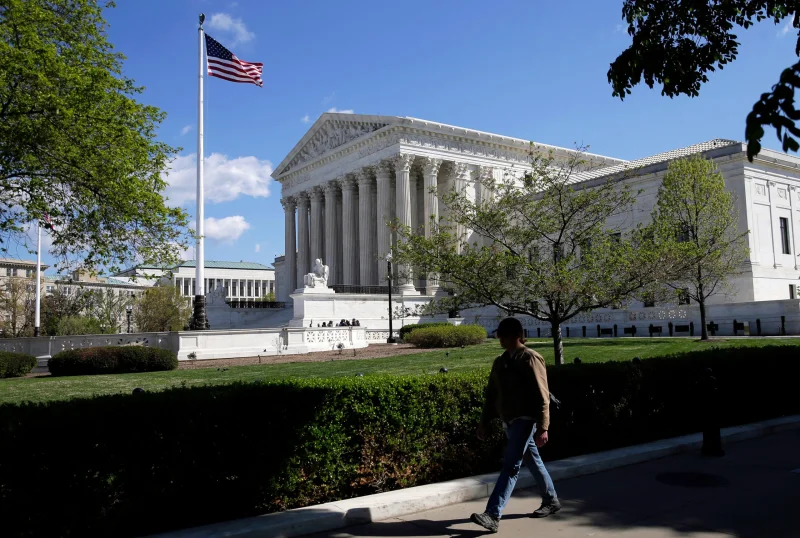
ICT’s AMERICA 250 series is using the Supreme Court’s 250-year arc to show how often the court has shaped, and shaken, tribal nations. The timing fits the anniversary coverage, but the subject is older than the celebration: the court has been part of federal Indian law since the early years of the United States and its rulings still reach into Indian Country today.
That is why readers are searching now. The Supreme Court hears only one to three federal Indian law cases in an average term, yet those cases can decide treaty rights, tribal sovereignty, and how far the federal government can go. Matthew Fletcher, who is the person anchoring the conversation, said the executive branch is the closest relationship for Indian Country because of the Department of the Interior, while Congress may be the most important branch because it writes the laws.
The history begins before the court even looked like the institution people know now. The Supreme Court was established through the Constitution, the Judiciary Act of 1789 helped it take shape, and it first assembled in 1790. In the years since, it has become one of the most powerful forces in federal Indian law, even though the relationship between tribes and the court has often had more downs than ups. ICT’s series places that history inside the larger story of the United States, which it frames as a nation built on the backs of enslaved people, genocide, and stolen land.

Fletcher says the court’s proper role in Indian affairs is narrow. He says its job is to interpret the Constitution, but the Constitution does not apply to tribal governments, which should leave little for the court to do. Even so, he says the court interferes regularly in the internal workings of tribal nations. That contradiction sits at the center of the story: an institution with limited constitutional reach in this arena has still spent generations deciding cases that affect Native children, religion, sovereignty, and the day-to-day authority of tribal governments.
He did not soften the record. Fletcher called the court’s history for tribal nations “a bloodbath” and said every era has been terrible to some degree, with the worst stretch beginning in the 1970s and lasting to about 2014. He said the court in that period effectively decided to run Indian Affairs from the bench. But he also pointed to a quieter fact that matters just as much: tribes do not always stop at a loss. They sometimes go to Congress, win an act that reverses or overturns the ruling, and he said he is frankly shocked at how often they succeed.
That is the durable lesson of the series and the sharpest unresolved question it leaves behind. The Supreme Court remains central to tribal-federal relations, but it is not the only branch that matters, and it is often not the last word. For tribal nations, the next move after a damaging ruling can be legislative rather than judicial, and that may matter more in the long run than any single case the court decides.
