


Hezbollah leader Naim Qassem rejected the framework agreement signed by Lebanon and Israel in Washington DC on Friday, calling it humiliating and a surrender of sovereignty as Israeli strikes hit southern Lebanon a day later.
The Lebanese Ministry of Public Health said one person was killed and two were injured on Saturday, the first casualties since the deal was signed. That timing gave the agreement an immediate test: it was already under fire politically, and the violence on the ground showed the paper terms had not quieted the warfront.
Qassem said Hezbollah would not accept linking Israel’s withdrawal to its disarmament and vowed the group would continue “as a resistance in the field” to defeat the occupation. He accused the Lebanese government of legitimising Israel’s occupation for years to come and said the agreement could lead to the annexation of these lands to the Zionist entity.

The disagreement is not over words alone. Israel did not sign up to leave southern Lebanon in the text, and Zeina Khodr said the word withdrawal is not in it. She described the deal as a path toward normalisation, with both sides recognising each other’s right to exist in peace, pledging to end the state of war, open direct negotiations under US mediation, establish permanent channels of communication and begin drafting a broader peace and security agreement.
That is where the deal runs into its sharpest contradiction. Benjamin Netanyahu, Bezalel Smotrich and other officials have suggested Israel could stay in Lebanon even if Hezbollah disarms, and Smotrich said Israel would remain there until Hezbollah disarms and beyond that because it needs defendable borders. Israel Katz said he and Netanyahu instructed Israeli forces to prepare for an extended stay in the security zone in southern Lebanon.
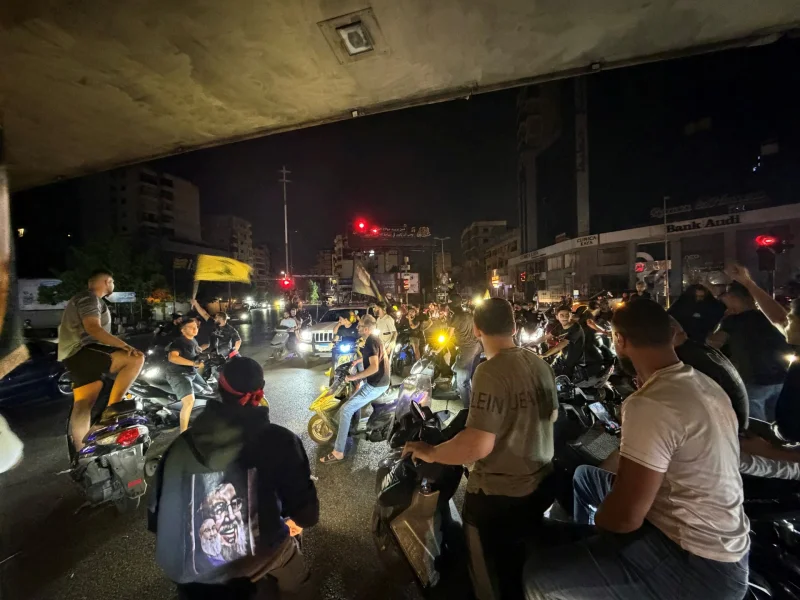
On the ground, the pressure was immediate. NNA reported Israeli forces bombed near Markaba and Nabatieh al-Fawqa on Saturday morning, while Hezbollah supporters burned tyres and blocked a road leading to the airport in Beirut on Friday evening. The Lebanese army then called on citizens on Saturday “to act responsibly” amid calls for demonstrations in Beirut and other areas, and Judge Ahmad Rami al-Hajj ordered Lebanese security forces to prevent riots.
The agreement may have opened the language of direct talks, but it has not settled the question that now matters most: whether Israel will actually pull back from any part of southern Lebanon, and if so, when. For now, Hezbollah has answered with rejection, the Lebanese government with a signature, and the fighting with another reminder that neither side is done.
