


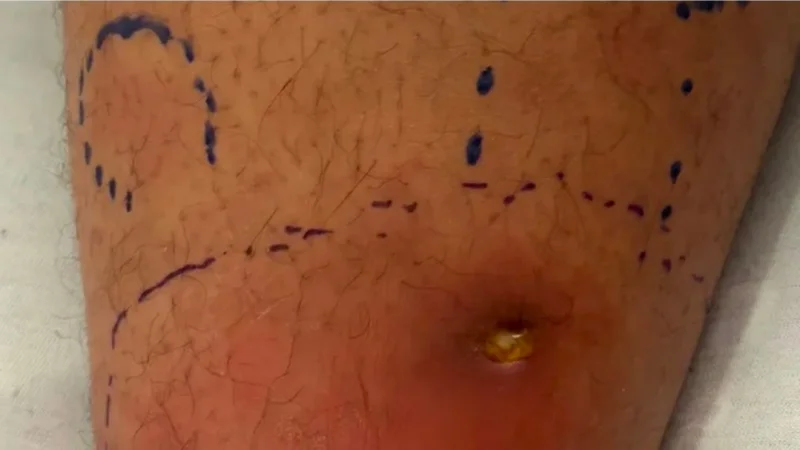
Miami-Dade County has reported another Vibrio vulnificus case, lifting Florida's 2026 total to nine and giving the county its second case this year. The patient was between 75 and 79 years old, and the state data now show nearly twice as many cases as Florida had by the same point last year.
The update lands in the middle of Florida's warm-weather season, when the bacterium is most often found in bays, estuaries and along the coast. Vibrio vulnificus is rare, but it can move fast. In severe cases, it can destroy tissue, spread through skin and soft tissue, and leave doctors little choice but to operate quickly or even amputate.
That risk is not theoretical. The Centers for Disease Control and Prevention says many people with Vibrio vulnificus infection need intensive care or limb amputations, and about 1 in 5 die, sometimes within a day or two of becoming ill. People with open cuts or certain health conditions are the most vulnerable, which is why doctors often advise them to stay out of the water and avoid raw oysters.

The new Miami-Dade case comes as Florida continues to see the kind of infections that can follow even minor exposure. A 17-year-old boy was hospitalized in Okaloosa County after swimming with a scrape on his leg at Lion's Park on June 1, and doctors removed swollen tissue before keeping him on powerful antibiotics for days. Last year, a Pensacola woman contracted the same bacterium through a tiny cut on her leg and nearly died, later racking up medical bills topping $7 million.
The numbers help explain why the case count is drawing attention even though the infection remains uncommon. Florida recorded 33 cases and five deaths in 2025, and by June 20 this year it had already reached nine reported cases. The Florida Department of Health had not updated its Vibrio vulnificus page with 2026 data as of June 25, leaving the latest tally to stand as the clearest public snapshot of how quickly the count is moving.
What remains unanswered is where in Miami-Dade County the latest patient was exposed and whether any underlying condition made the illness more dangerous. Those details matter because the bacterium is tied to the places people swim, fish and handle seafood, and because the difference between a routine day in the water and a medical emergency can be a scrape no one thought twice about.
