


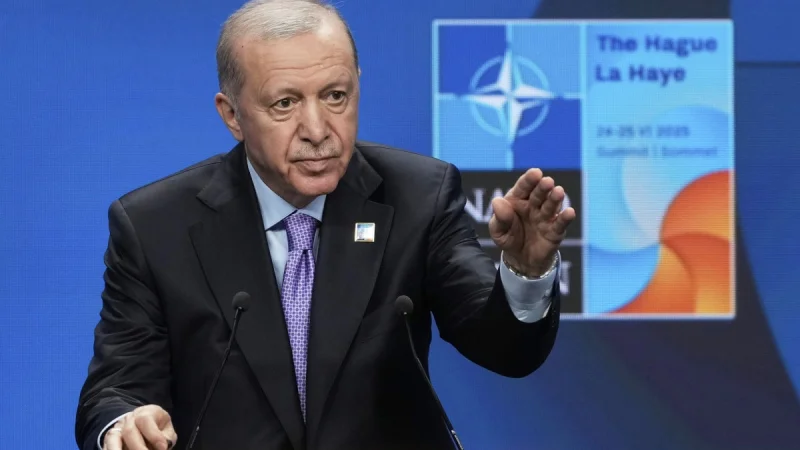
Human Rights Watch said Türkiye detained at least 209 people in Ankara ahead of the NATO summit set for 7-8 July 2026, after police raids overnight from 22 June into 23 June swept up activists, lawyers, an academic and a journalist known for LGBT rights work. The same period brought a 13-day ban on meetings and demonstrations in the capital, along with limits on leaflet distribution and banners.
That is why Yildiz is being searched now: the detentions and restrictions landed days before Ankara hosts a major NATO meeting, turning a security operation into a test of whether public speech can survive the run-up to the summit. Human Rights Watch said the measures were not a neutral security step but a crackdown on expression and assembly, while the Ankara Chief Public Prosecutor's Office said on 23 June the detentions were meant to expose the actions and activities of terrorist organizations.
The scale matters because the numbers are not vague. Human Rights Watch said at least 209 people were detained, a figure that already suggests the operation was broad enough to touch political activists, lawyers, an academic and a journalist activist before any court process had played out. An order also blocked contact with detainees for 24 hours, and lawyers were not allowed to meet them during that period, cutting off the first line of defense when the raids were still fresh.

The Ankara Governor's Office said the 13-day ban ran from 00:00 on 28 June until 00:00 on 10 July and was justified by security and public order around the NATO summit. In practical terms, that covered meetings, demonstrations, leaflet distribution and hanging banners, turning central civic space into a controlled zone for nearly two weeks. That is broader than a simple protest restriction; it reaches the everyday tools people use to gather, argue and be seen.
The friction is that the authorities have framed the detentions as anti-terror work, including claims that some of those held were linked to revolutionary left-wing groups and ISIS, while Human Rights Watch says the sweep was aimed at silencing dissent before a summit that should have been a stage for free debate. Media reports also said a person allegedly linked to ISIS died in an armed clash with police while resisting arrest, and Human Rights Watch called for a full, effective and independent inquiry into that death. Ward said Türkiye should release the detainees immediately and pressed NATO to insist that people be allowed to speak and assemble peacefully during the summit period.
What happens next is straightforward, even if the answers are not: the key question is how many of those detained will face formal charges or detention orders, and whether the case will remain a short-lived security sweep or harden into a broader crackdown. For now, the capital is under a ban that outlives the first wave of raids, and the people pulled into it still do not know whether they will walk out, be charged, or be held longer.
