


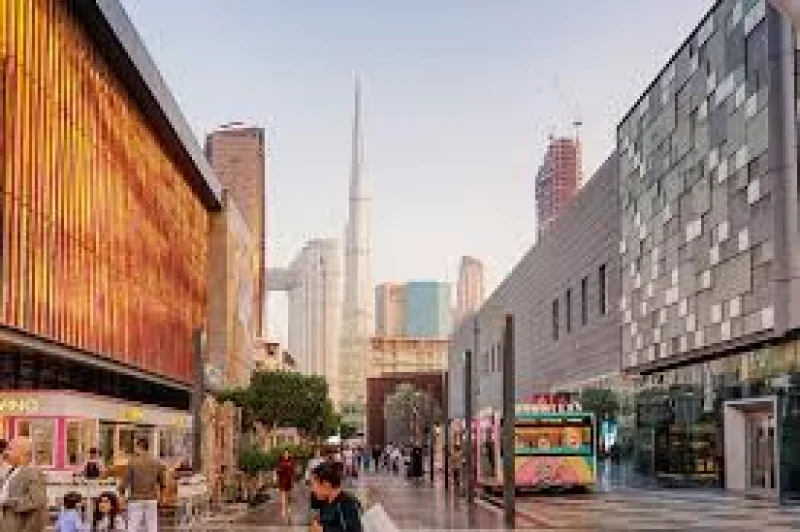
Jeddah Tower is moving into a height range that very few buildings have ever touched. Engineer John Peronto said about a third of the tower will sit above the atmospheric boundary layer, the low slice of the atmosphere where surface-driven forces have their strongest effect.
That detail matters because Jeddah Tower is expected to go beyond 1,000 meters and overtake the Burj Khalifa, which stands at around 2,717 feet. In that part of the sky, the familiar rules of tall-building design start to change. Wind, heat transfer and turbulence do more of the work, and storms can push harder than they do closer to the ground.
Peronto said many tall buildings have not really reached this kind of height, and that is what makes the project unusual. The atmospheric boundary layer is typically the lowest one to three kilometers of the atmosphere, but most of the extreme wind effects happen within the first few hundred meters above ground. Above that, a tower is still exposed to weather, but it is no longer dealing only with the same forces that shape ordinary skyscrapers.
The tower was designed by Adrian Smith and Gordon Gill of Adrian Smith + Gordon Gill Architecture, and Smith previously designed the Burj Khalifa while at Skidmore, Owings & Merrill. Gordon Gill has described the project as extremely efficient and said it reflects the kind of form-and-performance thinking the firm aims for. That efficiency pitch sits beside a harder reality: buildings account for 39 percent of global energy-related carbon emissions, including 28 percent from operational energy and 11 percent from materials and construction.
The World Green Building Council has called upfront carbon urgent, and that is the friction in any tower of this scale. A building can be engineered to perform well once it is occupied, but the carbon spent before the lights ever come on still counts. Jeddah Tower is expected to rise above 1,000 meters when topped out, which would place it in a class of its own, but the more difficult question is how a structure that tall will handle wind and atmospheric conditions across its uppermost third.
For now, the most revealing fact is not just that Jeddah Tower aims to become the world's tallest building. It is that a large piece of it will live above the layer of atmosphere where most tall buildings stop being familiar engineering and start becoming a test of how far the category can go.
