


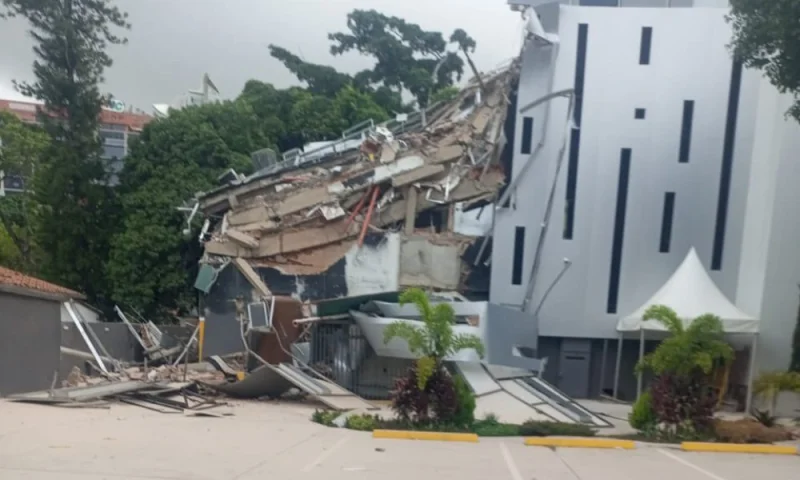
A major earthquake hit Venezuela, and the damage reported afterward was heavy enough to make it the day’s urgent news. The headline gave no magnitude, no exact location and no casualty count, but the scale of the destruction was enough to put the country on alert.
That is why people searching for Venezuela earthquake updates are finding so little beyond the broad outline. The event was described as major, yet the available material stops at the point where a real report would usually begin: there is no detail on where the shaking was strongest, how long it lasted or whether emergency crews had already reached the hardest-hit areas.

The only named source connected to the report was BNO News, which published the headline “Major earthquake hits Venezuela; heavy damage reported.” That framing matters because it confirms the quake was being treated as a significant disaster event, not a routine tremor, even though the supporting details were not included in the material available.
And that gap is part of the story. A headline can signal a crisis, but without numbers, locations or official follow-up, the picture remains incomplete. For people in Venezuela, that leaves the most important questions still open: how widespread the damage is, who was affected and what the response looks like now.
For the moment, the strongest conclusion is also the simplest one: Venezuela has just been hit by a major earthquake, and the damage was serious enough to be reported immediately. What comes next is the missing information that turns a warning into a full account.
