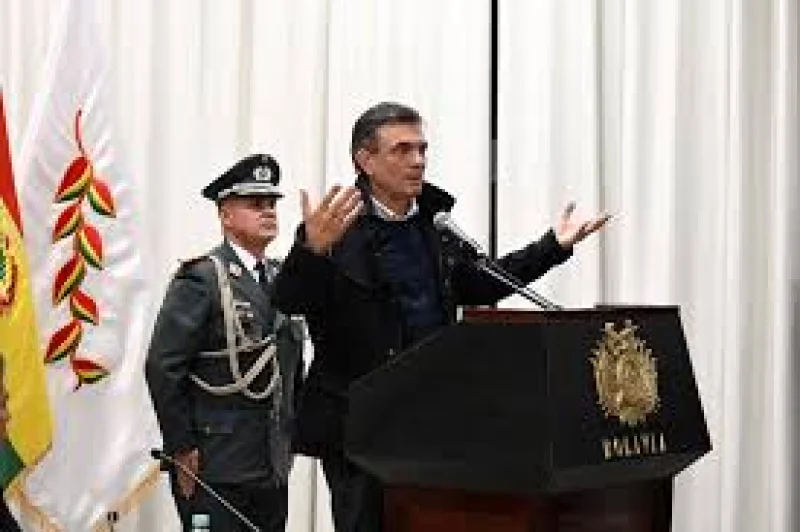
President of Bolivia Rodrigo Paz declared a state of emergency on Saturday after weeks of protests, giving him broader powers to move against road blockades that have paralysed large parts of the country. The decision came hours after he said he had reached a deal with the Bolivian Workers' Confederation.
Paz said Bolivians cannot keep living as “hostages of blockades” that stop them from working, studying, getting medical attention, buying supplies and bringing food home. He said the measure would “free the country's roads” and “restore” normalcy, a promise aimed at a crisis that has left serious shortages of basic goods across Bolivia.
The emergency is tied to unrest that began at the end of April and has already turned deadly, with several people killed and hundreds arrested. Miners, farmers and indigenous groups have led the blockades, first over a land reform Paz has since scrapped, then over cuts to long-standing fuel subsidies and anger at proposed constitutional changes.

That is why the declaration lands now. Under the law, Congress must approve or reject the measure within 72 hours, a clock that starts running immediately and leaves little room for delay. Paz, elected last October, has framed the unrest as an organised attempt to destabilise the country, while demonstrators say their demands include reinstating fuel subsidies, rolling back austerity measures and forcing his resignation.
Even with the emergency in place, the confrontation is not over. Some Indigenous groups said they would continue to protest, and journalists reported seeing police and military personnel in main squares on Saturday, suggesting the blockades and the response to them were still unfolding at the same time. Paz has also accused Evo Morales of orchestrating the protests, a charge Morales denied.
The next test is simple and decisive: whether Congress backs the emergency in time, and whether the deal with the Bolivian Workers' Confederation has any real effect on the roads. If neither stops the blockades, Paz will still be facing the same country he said he wants to reopen.