


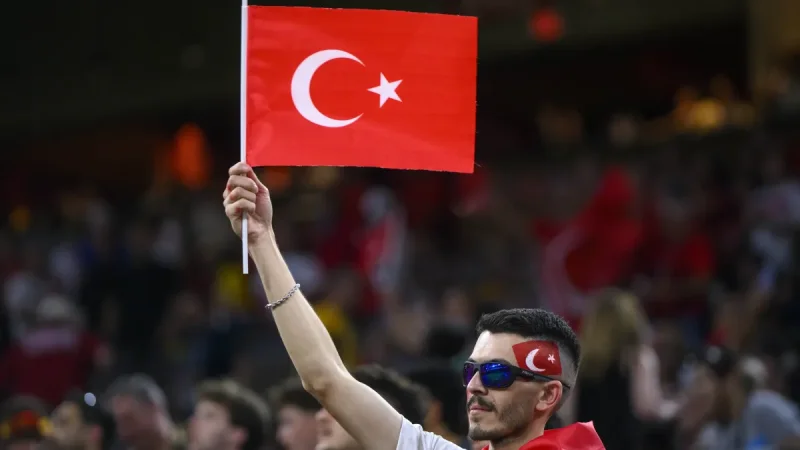
The United Nations recognized Türkiye’s request to replace Turkey with Türkiye in international use on 26 May 2022, giving formal global weight to a name Turks had used at home since 1923. The change did not create a new country. It changed how the country wanted to be identified abroad.
That is why Turkey keeps drawing search interest now: the move sits at the intersection of diplomacy, language, and national image. President Recep Tayyip Erdoğan launched the international campaign in December 2021, and the request went to the UN Secretary-General through the Foreign Minister, who asked that Türkiye replace Turkey, Turkei, and Turquie in all international contexts.
The shift matters because the English word Turkey carries two extra meanings that do not travel well across borders. It is also the name of a large domesticated bird, and in English slang it can mean something foolish. Turkish officials framed the rebranding as an effort to better represent Turkish culture abroad and to distance the country from those less-flattering associations. In formal settings, language does the work of identity, and this was a bid to control both.

There is also a historical catch that changes how the story should be read. Turks had called their country Türkiye since 1923, when Mustafa Kemal Atatürk established the Republic of Turkey after the Ottoman Empire lost World War I and dissolved. Atatürk adopted Türkiye as the official name, meaning “the land of Turks.” So the 2022 change was less a reinvention than an international correction, bringing outside usage closer to the name already in place inside the country for generations.
The wider diplomatic effect has already been felt. Major intergovernmental organizations including NATO, the WTO, the OECD, the Organization of Islamic Cooperation and the African Union have switched to the new name in their official documents. Nigeria and other officially English-speaking countries have followed in their communications, and Ghana’s diplomatic correspondence has shifted as well. The naming change is also visible in symbols of cooperation, including the Ghana National Mosque, a gift from the people of Türkiye to the people of Ghana.
What remains unresolved is not whether Türkiye has the backing to use its preferred name, but how completely the older English habit will disappear. Formal documents have moved first. Everyday usage usually follows later, if it follows at all.
