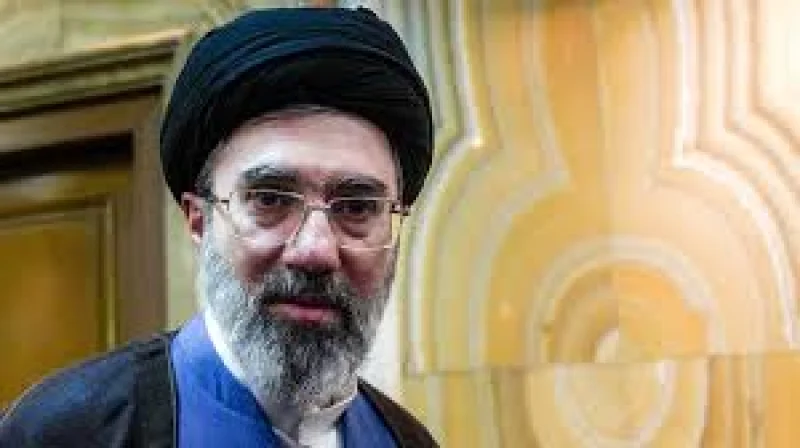
Mojtaba Khamenei said he approved the deal with the US despite having a different view, giving his first public response to the agreement after Iran and the US signed off on a plan that ended the war in the Middle East. He said the deal went ahead only after Masoud Pezeshkian assured him he would protect the rights of the Iranian nation.
The timing matters because the deal has already taken effect. US Central Command said on X that the naval blockade of Iran had ended in line with the President's direction, although some US vessels would remain in the general area. JD Vance said that started a 60-day period for further talks, while the White House said it was looking forward to technical discussions as soon as possible.
For readers looking for the Ayatollah Khamenei US deal stance, the answer is now clear: he backed it, but not because he was persuaded by Washington. He said Donald Trump had, out of desperation, used all kinds of leverage to bring the agreement about, and he added that future in-person negotiations would not mean acceptance of the enemy's position.

The agreement itself is broad. It includes reopening the Strait of Hormuz, a demand that Iran should never have a nuclear weapon, and a $300bn fund for the reconstruction and economic development of Iran. The US is not required to contribute to that fund. The two sides are also bound to reach a final deal within 60 days, a period that can be extended if both sides agree.
That gives Khamenei something of a public line and a private hedge at once. He is the first to speak on the deal after it was signed remotely, after a ceremony that had been set for Switzerland on Friday and later cancelled, according to Mediator Pakistan. US and Iranian representatives are still expected to meet in Switzerland for further talks, and JD Vance said he would likely head there for technical negotiations.
There is still a strain running through the deal. Khamenei said he had a different view, yet approved it anyway. He has not been seen in public since he took office in March, after the killing of his father and predecessor, Ayatollah Ali Khamenei, in the 28 February US-Israeli strikes on Iran that sparked the regional war. That makes his first response not just a statement of support, but a signal that Tehran is willing to talk while still trying to keep its own red lines intact.
Trump posted on Truth Social that he expected a ceasefire to take effect on all fronts and said countries in the Middle East should maintain their commitment to allowing negotiations to take place. Critics were quick to attack the deal, with Bill Cassidy calling it the worst foreign policy blunder in decades and saying Iran's nuclear ambitions were not curbed and that Tehran had learned threatening the Strait of Hormuz works. For now, the next test is practical, not rhetorical: whether the talks in Switzerland turn the 60-day clock into a final deal or just another pause.