


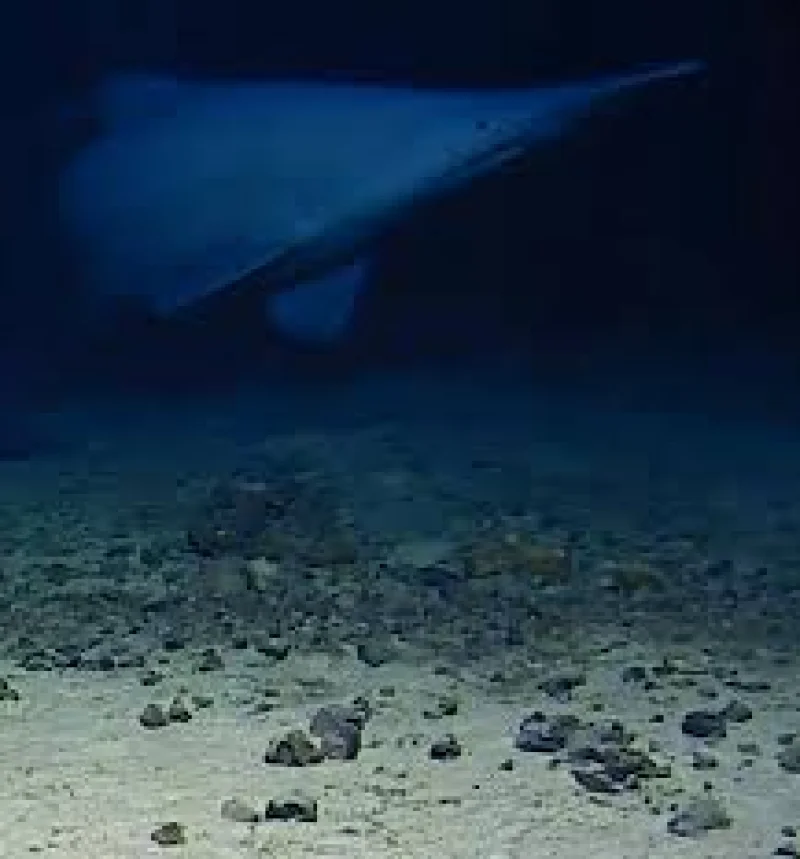
Scientists have captured the first known camera sightings of a goblin shark alive in its natural habitat, turning a deep-sea animal once known mainly from dead specimens into something seen moving through the darkness. The new observations, published this week in the Journal of Fish Biology, come from two separate moments in 2019 and 2024.
The work is being searched now because it answers a question marine biologists had largely stopped expecting to settle. Alan Jamieson had given up on ever seeing the shark alive underwater, even though the species lives thousands of feet below the surface in total darkness. For more than 100 years after goblin sharks were discovered, they were usually seen only when fishermen hauled them up from below.
The first sighting in the alan jamieson goblin shark study came from a 2019 Ocean Exploration Trust expedition on the M/V Nautilus. Aaron Judah found it only after reviewing archived video. The shark was recorded near Jarvis Island and the Palmyra Atoll, a mid-Pacific location that pushed the known geographic range of the species much farther than scientists had realized.
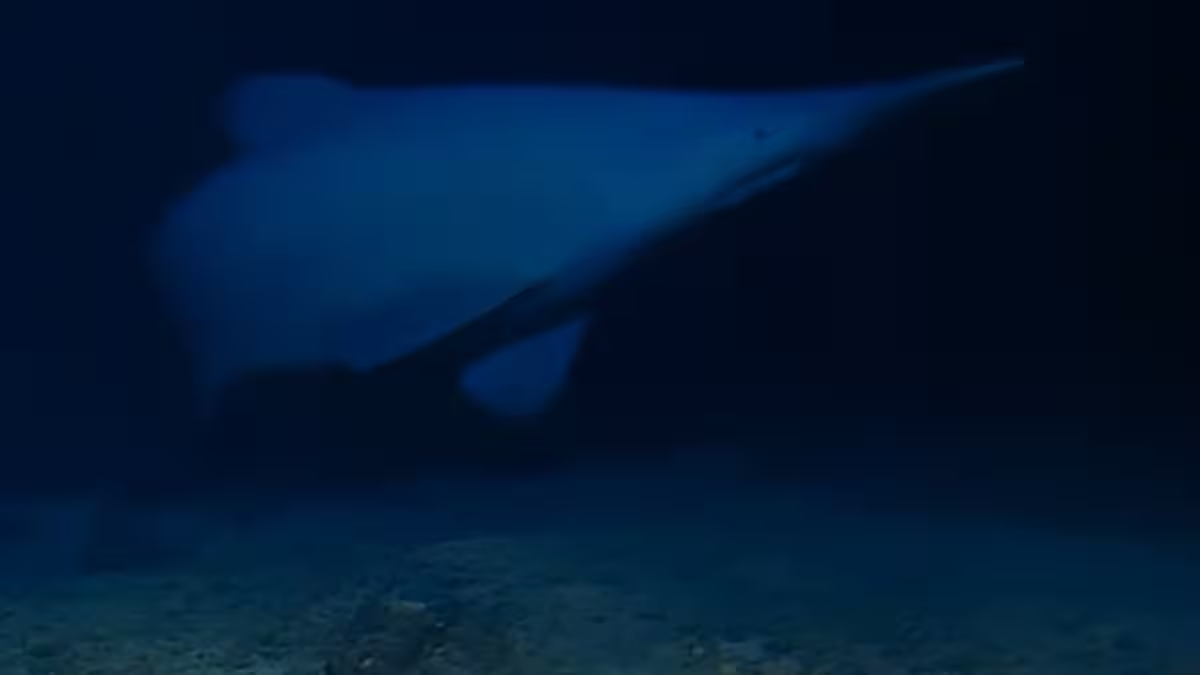
Then came the 2024 sighting on the slope of the Tonga Trench, the second-deepest point on Earth. There, a remote baited camera recorded the shark nearly 700 meters deeper than the species had previously been known to live. The study says that find also extended the deepest known range of lamniform sharks by 108 meters.
That matters because it changes the picture of a species that had long existed in the scientific record as little more than a pulled-up specimen. Goblin sharks average about 12 feet long and have a pink, squishy body with a large nose and razor-sharp teeth underneath. They are the only living species in the family Mitsukurinidae, a lineage that dates back 125 million years, which only adds to the shock of seeing one alive and apparently healthy where it belongs.
Judah said the sightings showed the shark alive and healthy in its natural habitat, and he said the expanded range could matter for regional management and even a nation’s biodiversity list. That is the practical next step from the discovery: not another headline, but a better map of where the species lives and how far down it can go. What remains unanswered is how many goblin sharks are actually out there in that newly expanded range, and how often they move through it.
