


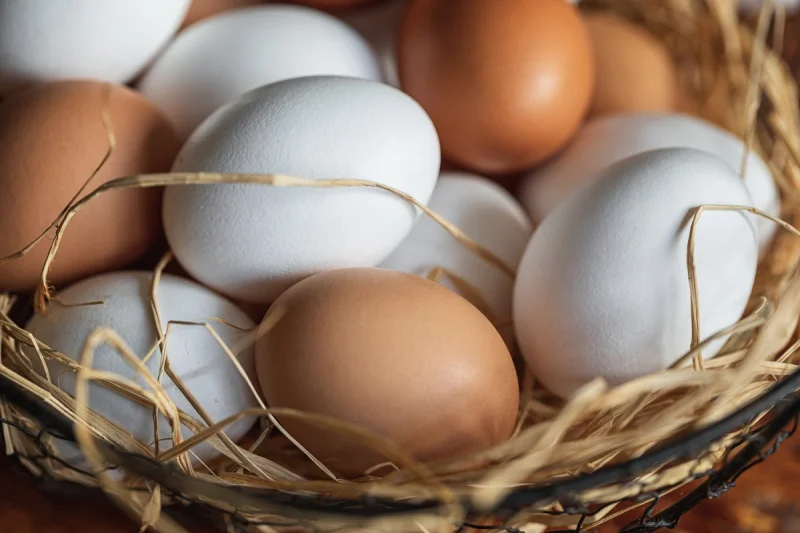
Sainsbury’s will stop selling brown eggs under its own-brand label and switch to white-shell eggs after research suggested the paler birds carry a lower environmental impact. The move puts one of Britain’s most familiar shopping habits back on the shelf, and this time the label on the carton is about carbon as much as breakfast.
For Hannah Twiggs, the change lands in a market where shell colour has long meant more than shell colour. Brown eggs have been associated for decades with better welfare and quality, and shoppers have often paid extra for them, even though Sainsbury’s says the white hens it will now use are smaller and need less feed for the same egg output.
The retailer said that difference adds up to an over 12 per cent reduction in carbon emissions compared with brown hens, with the figure given more precisely as 12.7 per cent. That makes the switch more than a cosmetic change. It is a statement that the supermarket believes shoppers can be nudged toward a lower-impact product simply by changing what colour sits in the carton.
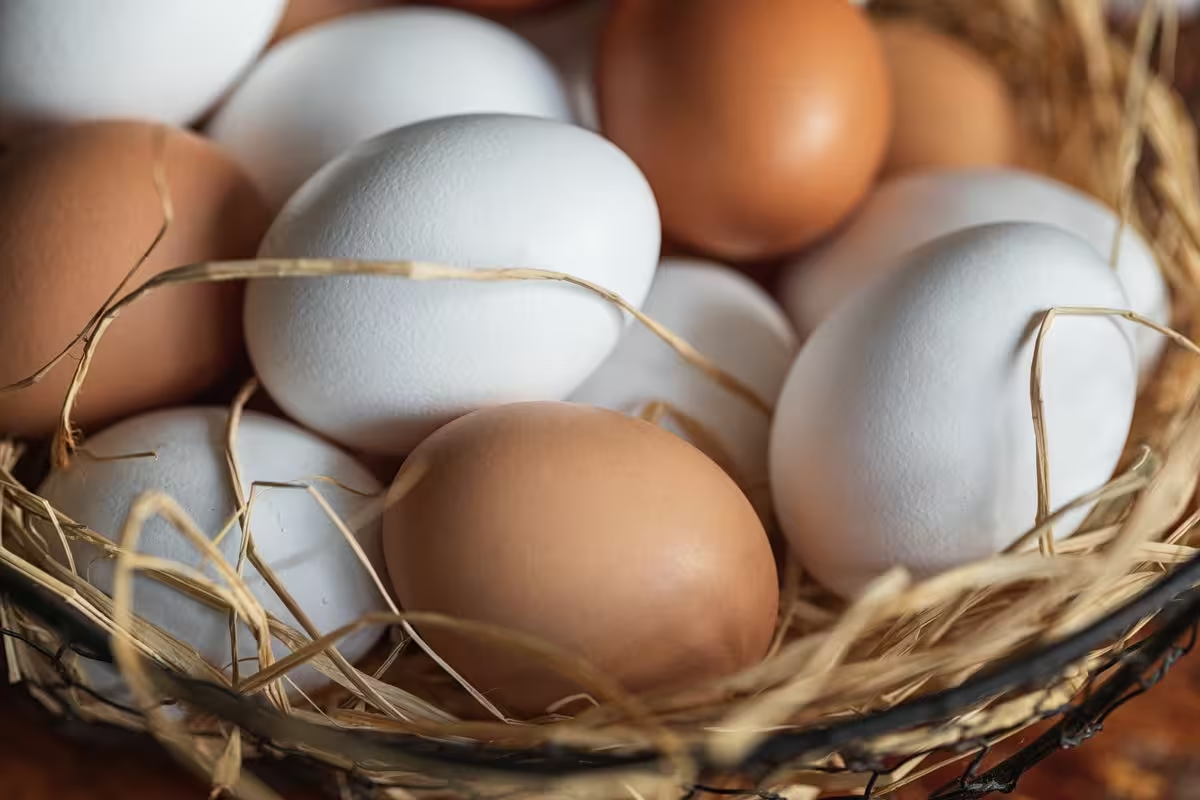
The shift also reverses a habit built over half a century. Until the 1970s, white eggs were commonplace in Britain, but consumers gradually moved toward brown ones as they came to seem more natural and nutritious. Brown eggs came to be linked with traditional farming and superior quality, while farm shops stocked them and premium brands built whole identities around the darker shell and orange yolk.
That perception was powerful enough to remake the market. Britain eventually became an overwhelmingly brown-egg country, with nearly 90 per cent of eggs sold in the UK taking the brown shell, even as more than three-quarters of eggs sold in the US remained white. The British Hen Welfare Trust has said there was also a widespread misconception that white eggs had been bleached, a belief that helped push shoppers further toward brown shells.
That is the friction Sainsbury’s is now stepping into. Shell colour became a shortcut for welfare and premium quality, even when it did not necessarily reflect how the bird was raised or how the egg was produced. By choosing white eggs and tying the move to carbon emissions, Sainsbury’s is asking shoppers to look past a habit that has been reinforced by decades of marketing and memory.
What the chain has not yet said is when the switch will be complete. For shoppers who buy its own-brand eggs, the change is real; the timetable is not. The carton may be changing, but the final rollout date remains the unanswered part of the story.
