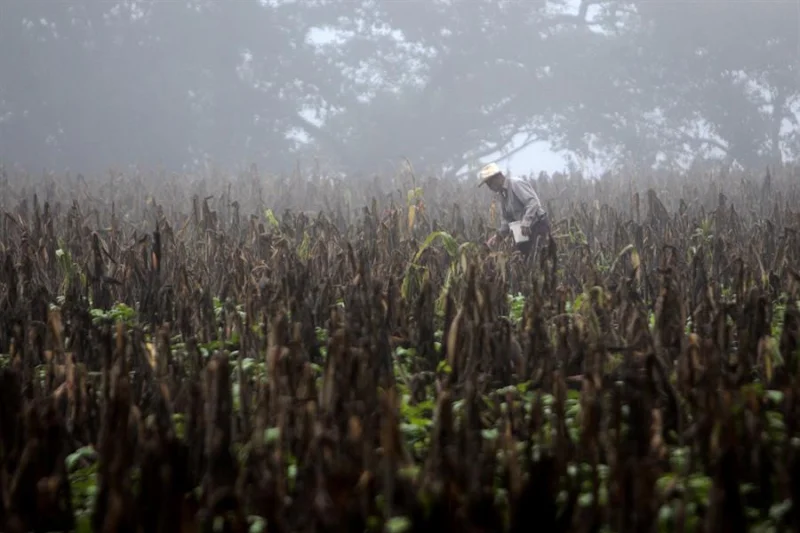
Conditions in 2026 could favor a new El Niño event of great magnitude, but scientists still cannot say whether it will become extreme. That is the warning now hanging over a climate pattern that can reshape weather far beyond the equatorial Pacific.
María Luisa Machain Castillo said what happens in the equatorial Pacific does not stay there, because it has repercussions across the entire planet. Her warning matters now because the region’s waters can warm above normal for several months, enough to shift rainfall, dry out some regions and drench others, while also disturbing marine ecosystems. For readers tracking El Nino 2026 warning: Scientists say a Super El Nino may be building, the question is not whether the pattern matters, but how far it may go this time.
Under normal conditions, trade winds blow steadily from east to west across the equatorial Pacific and act, in Machain Castillo’s words, like a motor that redistributes heat in the atmosphere. They push warm waters toward the western Pacific while allowing cold, nutrient-rich waters to rise off the coasts of America, particularly Peru, in a process known as upwelling. That balance supports both climate stability and the productivity of marine ecosystems.
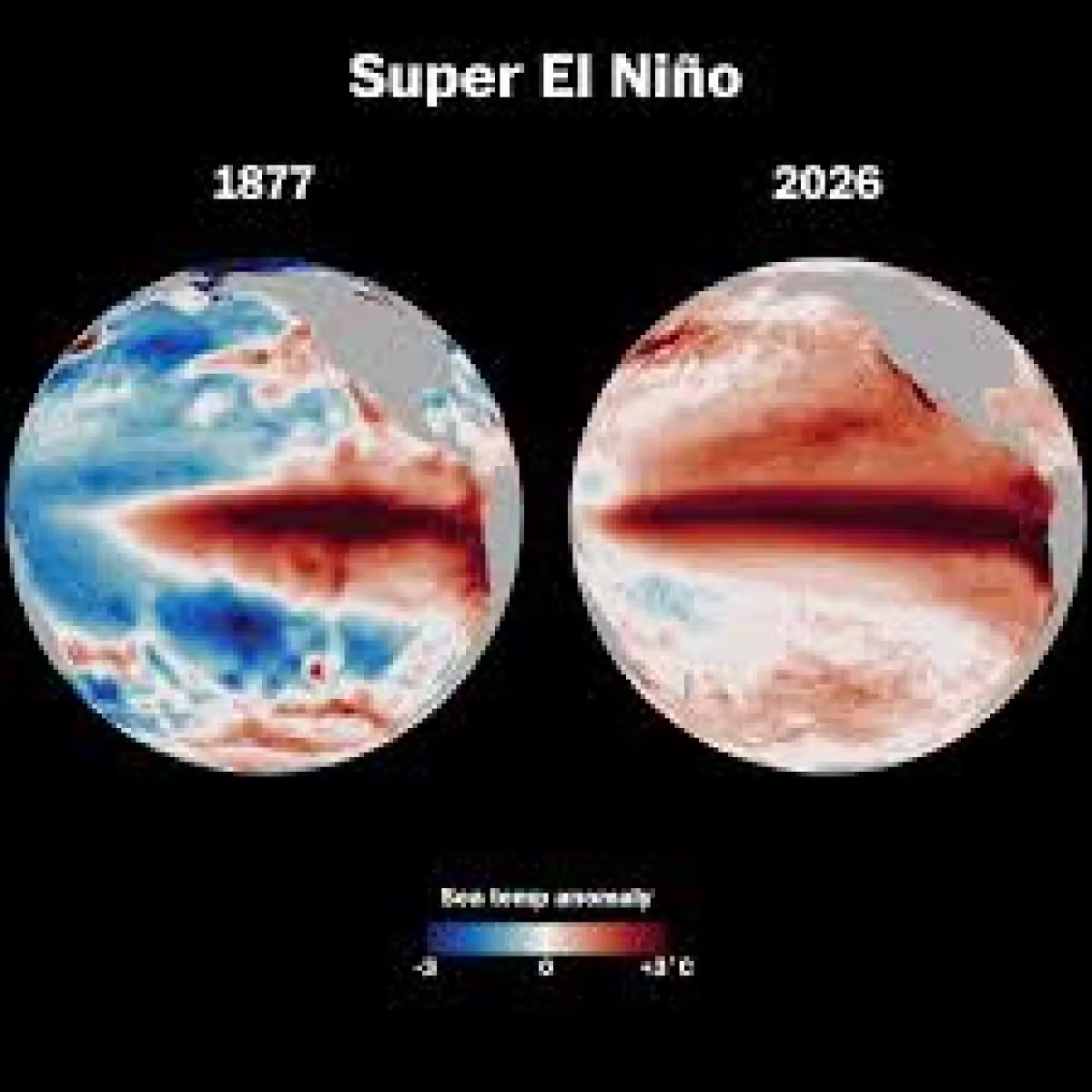
When those winds weaken or even shift direction, the system changes. Warm water moves less toward the west and is redistributed toward the central and eastern equatorial Pacific. Sea surface temperatures can rise several degrees for several months, transferring energy to the atmosphere and changing air circulation. That is El Niño, and it can also move the zones where warm, humid air rises and where clouds and storms usually form from the western Pacific toward the center and east of the ocean.
Machain Castillo said the phenomenon not only can generate more rain, but also redistributes it. That helps explain why places that usually receive abundant rainfall, including Indonesia or Australia, can face changes during El Niño, while other regions are left with drought. Recent events have been so intense that some were dubbed “Niño Godzilla” or “Super Niño,” a reminder of how disruptive the pattern can become when it grows strong.
Even so, specialists in atmospheric sciences say the 2026 setup remains uncertain. Conditions may favor the development of a major event in the current year, but it is still not possible to anticipate whether it will reach extreme intensity. That unanswered part now matters most: the climate signal is there, but the size of the event is not yet known.
Old Farmer's Almanac June Forecast Points to Strong 2026 El Niño and Bureau Of Meteorology Winter Forecast Points to Early Snow, El Niño Risk point to the same broad concern, but the real test will come as the Pacific itself starts to reveal how much heat it is storing. When it does, the rest of the world tends to feel it fast.