


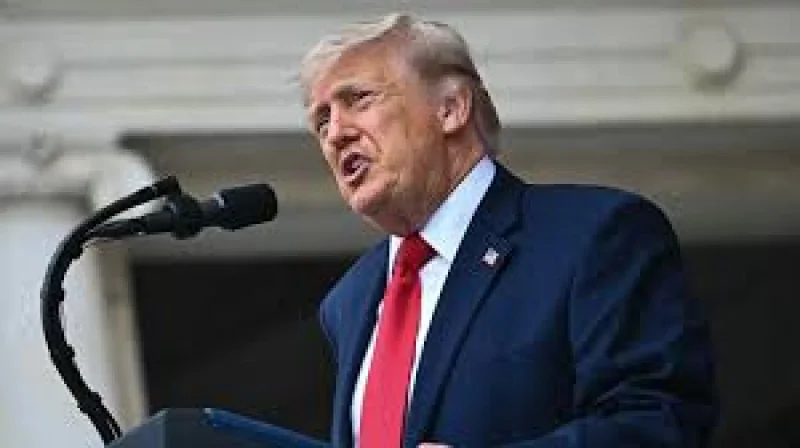
President Donald Trump has asked for edits to the US-Iran deal, including changes tied to the Strait of Hormuz and the removal of highly enriched uranium, after a week of shifting signals over whether a ceasefire framework could survive. The request came after Trump and senior aides met on Friday to make a final determination on the plan, but the session ended without clarity on the next steps.
The deal now under discussion is built around a 60-day cessation of violence, a call to reopen the Strait of Hormuz and a framework to reopen negotiations on Iran’s nuclear program. If diplomacy moves ahead, it could also open the door to sanctions relief and give Tehran access to billions of dollars in frozen assets, making the stakes immediate for both governments.
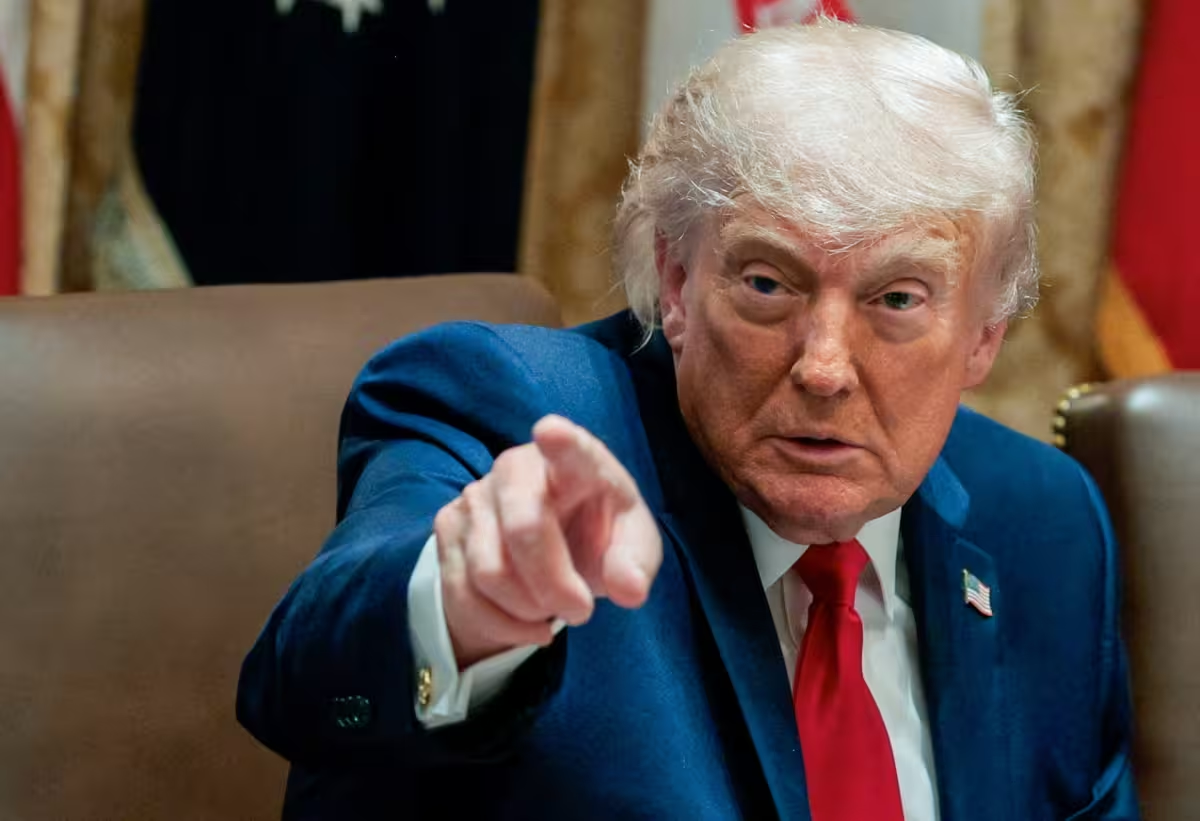
That is why the latest delay matters now. On Thursday, US officials said the two sides had agreed on a framework, pending approval from Trump and Iran’s leadership. Trump, speaking a day earlier, said the only guarantee he needed was that there would be no nuclear weapons, and he added that he was in no hurry to make a deal. He also signaled before the Situation Room meeting that he was leaning toward accepting the proposal, only for his team to leave Friday still working through revisions.
The gap between the public message and the private negotiating room is widening. A White House official said Trump would only make a deal that was good for America and met his red lines, while Axios reported that he asked for several amendments during Friday’s meeting. Defense Secretary Pete Hegseth said the military could resume strikes if any agreement failed to meet the president’s expectations, underscoring how fragile the talks remain even as negotiators try to keep the ceasefire effort alive.
Iran is not sounding ready to bend. Mohammad Bagher Ghalibaf said on Sunday that Tehran would not agree to any deal unless Iranian rights were fully secured, a sharp reminder that approval is still uncertain on both sides. With Trump now pressing for changes and Iran signaling it will not accept a stripped-down bargain, the next version of the deal will show whether the ceasefire effort can survive the politics around it or collapse under the same demands that brought it this far.
