


The World Health Organization has convened expert and advisory groups to review vaccines and other countermeasures for the current outbreak of Ebola disease caused by Bundibugyo virus, which is unfolding in the Democratic Republic of the Congo with cases also reported in Uganda.
The groups recommended that all of the products identified and considered be used only in clinical trials, while WHO said it is working with the governments of Congo and Uganda to help evaluate them. The agency also said there are currently no licensed therapeutics or vaccines specifically approved for the prevention and treatment of Bundibugyo virus disease.
The work is being carried out through WHO’s R&D Blueprint, a global mechanism that can rapidly activate research during epidemics. WHO also brought in the Strategic Advisory Group of Experts on Immunization and its Ebola vaccine working group to consider whether licensed Ebola vaccines could play a role during Bundibugyo virus disease outbreaks.
That assessment matters now because the outbreak has pushed health agencies to move faster on research while also trying to slow transmission on the ground. WHO said it and its partners are developing protocols for clinical field trials to assess the safety and efficacy of prioritized therapeutics, with the governments of the Democratic Republic of the Congo and Uganda, Africa CDC, ANRS Emerging infectious diseases and other scientific partners involved.
The agency called for faster access to essential supplies, stronger community protection, engagement and trust, and coordinated investment in research, development and evaluation of countermeasures for the disease. It also said all research must meet the highest ethical standards under the leadership of national health authorities and in close consultation with affected communities.
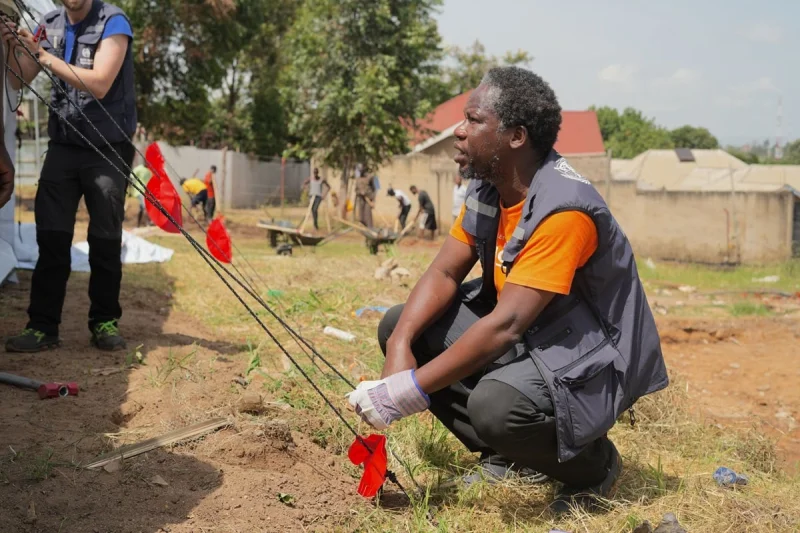
At the same time, WHO said its immediate priority remains stopping transmission through disease surveillance, rapid testing and diagnosis, contact tracing, isolation and care for patients, infection prevention and control, community engagement and safe and dignified burials. In other words, the research push is running alongside a public health response that still depends on the basics.
Bundibugyo virus disease is the form of Ebola disease referenced in the outbreak, and the question now is not whether experimental products exist, but how quickly they can be tested without outrunning the safeguards that are meant to keep patients and communities protected.
