


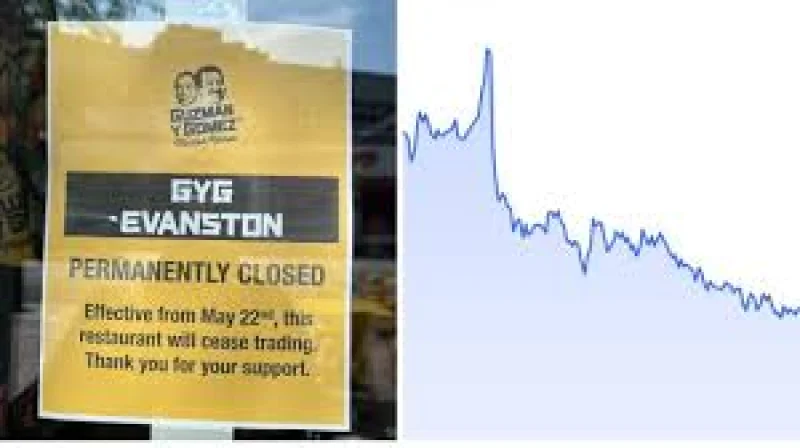
Guzman y Gomez is closing its US business after telling shareholders on Friday that the performance of its American stores had not been acceptable. The fast-food chain said the exit will cost up to US$40m in one-off charges as it winds down a market it once hoped would become a major growth engine.
Steven Marks, the company’s founder, said the US operation could no longer justify the investment it needed. He said he had spent the last three months in the US and realised the expansion would take significantly more time and capital than expected. Marks also said the sales momentum he had hoped for never arrived, despite the company’s confidence in the appeal of its food and guest experience.
The decision lands at a sharp moment for a group that has spent years talking up overseas growth. GyG currently lists eight stores in the Chicago area on its US website, but analysts had not expected the business to break even for at least another decade. The market had already been seen as a difficult one for Australian food brands, with Chipotle and a crowded field of Latin American restaurants making it hard for newcomers to win customers and keep them.
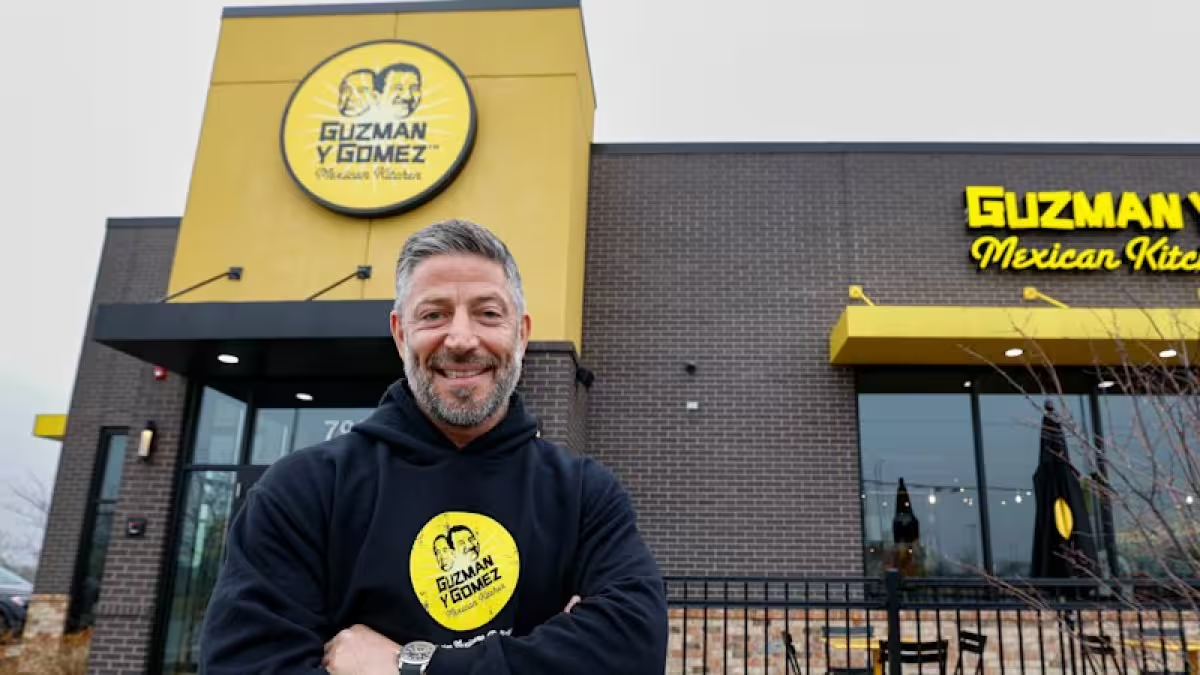
GyG had tried to stand out by serving bigger burritos in the US than it does in Australia, betting that American diners would respond to larger portions and a different format. Instead, the company now says Australia remains its core focus, while Singapore and Japan stay on the expansion list. That leaves the US as the latest Australian fast-food experiment to run into the same wall that has stopped others before it.
The chain is far bigger at home than abroad. GapMaps said that by the end of 2025 GyG had 237 stores in Australia and ranked as the ninth largest chain in the country. It also described GyG and Zambrero as among the fastest growing chains in Australia, a reminder that the brand’s momentum has been strongest where it started.
Michael Toner, a market analyst, said the US business had very low prospects of success on current unit economics and that its losses were weighing on the group’s earnings. He said a faster exit than expected was positive. The message from the company is now plain: the US was not turning into the growth story GyG needed, and the business is choosing to cut its losses and put its capital back into markets where it believes the model still works.
