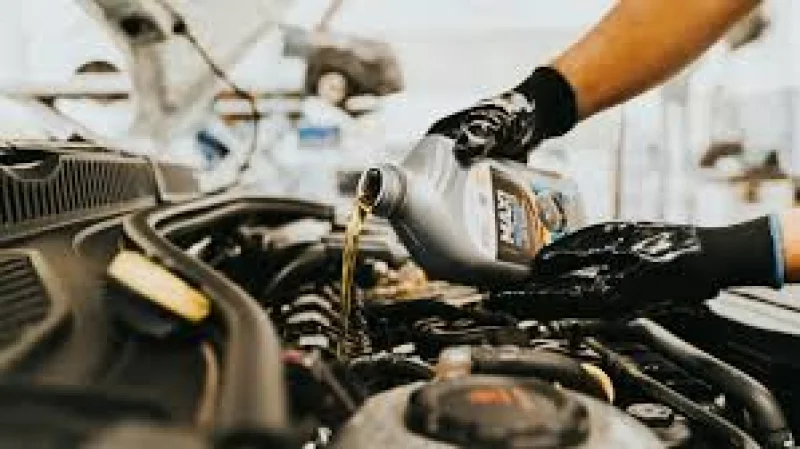
A leaked document allegedly tied to AutoZone warns employees to brace for a supply squeeze that could hit motor oil, diesel oil and specialty automotive fluids as instability in the Middle East threatens the flow of petroleum-linked products. The memo, which appeared to be aimed at managers across the Southeast region, said some lubricant categories could see average available supply fall by as much as 40 percent.
The document went further, warning of dramatic price increases, disappearing inventory and a growing need to substitute one oil grade for another as shortages deepen. It also said some products could become entirely unavailable in certain cases, turning routine counter conversations into emergency problem-solving for store employees and drivers alike.
For a chain that sells the fluids drivers reach for when a dashboard light comes on or a service interval is due, the warning matters because shortages in engine oil do not stay theoretical for long. The memo referenced passenger car motor oils, diesel oils and specialty fluids, and said upcoming training sessions would focus on helping employees recommend substitute oil viscosities and emergency alternatives.
Those examples were unusually specific. In one, a Toyota owner unable to find 0W-16 oil was steered toward an alternative viscosity product. In another, the memo described using heavy-duty diesel oil in an emergency when a rideshare driver's vehicle was critically low and no standard oil remained available. The examples suggest the company was preparing staff for the kind of improvisation that usually sits far outside normal retail guidance.
The broader backdrop is a supply chain that depends on crude oil refining, chemical processing, additives, transportation and steady global energy conditions. When geopolitical tensions flare in major oil-producing regions, petroleum-linked industries can feel the effects quickly, and lubricant products can be caught in the middle. That risk is sharper now because modern engines are highly sensitive to oil specifications, especially newer vehicles that rely on ultra-thin viscosities for fuel economy and emissions compliance.
The gap between what the memo anticipates and what customers expect is the pressure point. Drivers do not walk into an auto parts store looking for a substitute; they come looking for the exact fluid their vehicle requires. If the shortages described in the document spread, employees may be forced to balance inventory limits, higher prices and technical precision at the same counter, with little room for error.
What happens next is whether the warnings inside the leaked memo prove to be a temporary scramble or the start of a broader disruption in engine oil availability. For now, the document points to a retail floor that is being told to prepare for less product, more substitutions and a lot more hard conversations with customers.